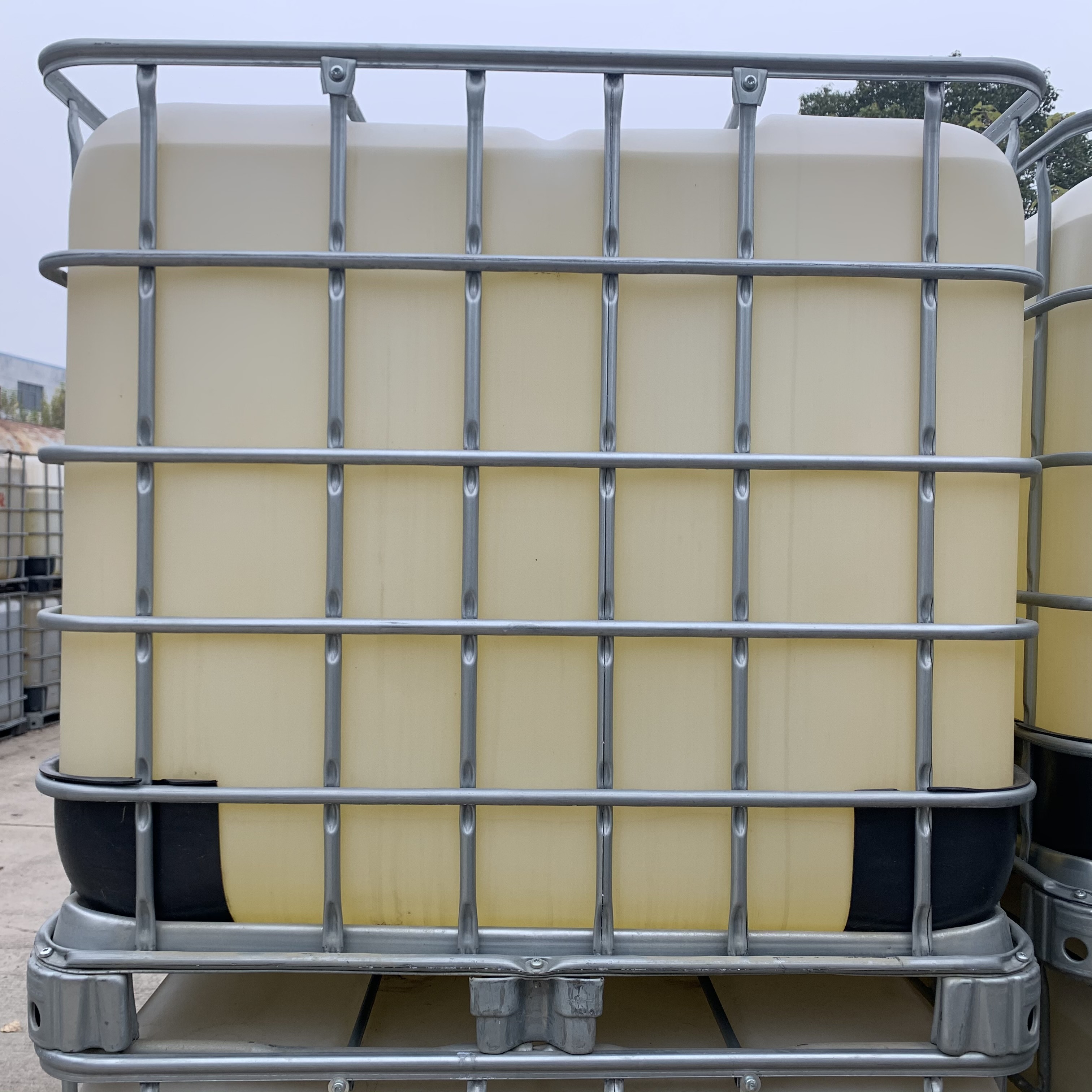
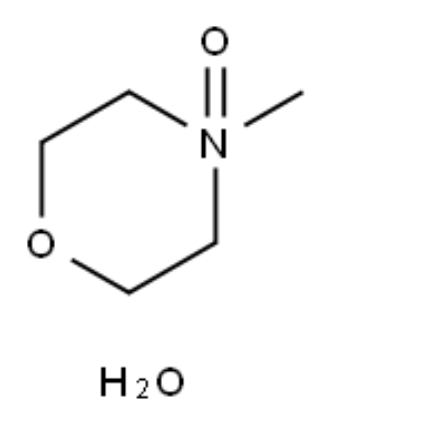
99.5% N-Methylmorpholine-N-oxide

99.5% N-Methylmorpholine-N-oxide

联系我们

  • 分类

    Environmentally friendly solvent series

  • 描述

    N-Methylmorpholine-N-oxide (NMMO) is an important heterocyclic amine oxide compound with the characteristics of strong polarity, good water solubility, and biodegradability. It is widely used in the preparation of solvent fibers (such as Lyocell fibers), organic oxidation reactions, dyes, medicines, and other fields.

  • Cas No.

    80913-66-2

  • 纯度

    99.5%

  • 别名

    NMMO

物理化学参数

  • 1. Chemical Identity
    • Chemical Name: N-Methylmorpholine-N-oxide monohydrate
    • IUPAC Name: 4-Methylmorpholine 4-oxide monohydrate
    • Synonyms: NMMO monohydrate, MNO monohydrate
    • CAS Number: 7529-22-8 (for anhydrous NMMO); 83390-13-8 (for monohydrate)
    • EC Number: 231-391-8 (for anhydrous NMMO)
    • Molecular Formula: C5​H11​NO2​⋅H2​O
    • Molecular Weight: 135.16 g/mol
  • 2. Physical Properties
    • Appearance: White to off-white or pale yellow crystalline solid.
    • Odor: Faint, amine-like odor.
    • Melting Point: 72-76 °C (162-169 °F)
    • Boiling Point: Decomposes. Significant decomposition begins at temperatures above 130 °C (266 °F). Runaway decomposition can occur above 170 °C.
    • Density: ~1.33 g/cm³ at 20 °C
    • Solubility:
    • In Water: Highly soluble.
    • In Organic Solvents: Soluble in polar organic solvents.
    • Vapor Pressure: <0.1 hPa at 20 °C
  • 3. Chemical Properties and Stability
    • Stability: The monohydrate is relatively stable under normal conditions. Anhydrous NMMO is thermally unstable and can undergo rapid, exothermic, and potentially explosive decomposition. Decomposes in the presence of strong acids and certain metal ions (e.g., copper, iron), which can catalyze decomposition.
    • Incompatibilities: Incompatible with strong oxidizing agents, strong acids, acid anhydrides, and reducing agents. Contact with transition metal salts (copper, iron, cobalt, nickel) or their oxides can lead to hazardous decomposition.
    • Hazardous Decomposition Products: Thermal decomposition can be violent and produces toxic fumes of carbon monoxide (CO), carbon dioxide (CO2​), and nitrogen oxides (NOx).
  • 4. Other Key Data
    • Flash Point: 147 °C (297 °F) - Closed cup
    • Autoignition Temperature: Not available.
 

产品应用

1. Oxidation reactions in organic synthesis

Sharpless asymmetric dihydroxylation reaction, used as a co-oxidant in combination with osmium tetroxide (OsO₄), regenerates OsO₄ to maintain the catalytic cycle, reduces the amount of expensive catalyst, and achieves efficient dihydroxylation of olefins.
TPAP catalytic oxidation reaction, in the tetrapropylammonium perruthenate (TPAP) system, NMO is used as a co-oxidant to promote the oxidation of alcohols to ketones or aldehydes, which is suitable for the synthesis of complex molecules (such as natural products).

2. Cellulose processing and regenerated materials

Lyocell fiber production, mixed solvents with water can dissolve cellulose, which is used in the manufacture of environmentally friendly regenerated cellulose fibers (such as Lyocell). This process is known for the recyclability of NMO and reduces chemical waste emissions.
It is used as a high-performance solvent for plant cellulose, which has the characteristics of non-toxicity and weak alkalinity, and is easily soluble in water, ethanol, etc.
NMMO is a high-grade tertiary amine oxide that can be used as a cellulose solvent. It is miscible with commonly used organic solvents and is particularly suitable for the production of regenerated cellulose fibers for wet spinning. Due to its "green" characteristics, NMO is widely used in the Lyocell process of cellulose fibers.

3. Drug synthesis and intermediates

It is used in the oxidation scenario of drug intermediates. In specific drug synthesis steps, it acts as a mild oxidant or auxiliary reagent to participate in the synthesis of hydroxyl or carbonyl structures in antibiotics or antiviral drugs.
Dissolution of hardened proteins, which can dissolve hard proteins present in animal tissues, especially those crystalline regions containing glycine and alanine residues. This dissolution effect is of great significance in protein research.

4. Other applications

Surfactants and solvents, as polar aprotic solvents, are used in certain reaction systems that require high polarity; they can also be used to prepare ionic liquids or surfactants. NMMO aqueous solutions are widely used as solvents in organic synthesis processes, especially in the foaming catalysts of polyester plastics, showing excellent performance.

In the field of electrochemistry, in battery electrolytes, it is used to improve ionic conductivity or stability.

安全信息

  • This information is a summary based on the Globally Harmonized System of Classification and Labelling of Chemicals (GHS).
    • 1. GHS Classification
      • Acute Toxicity, Oral (Category 4)
      • Skin Irritation (Category 2)
      • Serious Eye Irritation (Category 2A)
      • Specific Target Organ Toxicity — Single Exposure (Category 3), Respiratory System
    • 2. GHS Label Elements
      • Pictogram:
        • Exclamation Mark (GHS07)
      • Signal Word: Warning
      • Hazard Statements (H-Statements):
        • H302: Harmful if swallowed.
        • H315: Causes skin irritation.
        • H319: Causes serious eye irritation.
        • H335: May cause respiratory irritation.
      • Precautionary Statements (P-Statements):
      • Prevention:
        • P261: Avoid breathing dust/fume/gas/mist/vapors/spray.
        • P264: Wash skin thoroughly after handling.
        • P280: Wear protective gloves, eye protection, and face protection.
      • Response:
        • P301 + P312: IF SWALLOWED: Call a POISON CENTER or doctor/physician if you feel unwell.
        • P302 + P352: IF ON SKIN: Wash with plenty of soap and water.
        • P305 + P351 + P338: IF IN EYES: Rinse cautiously with water for several minutes. Remove contact lenses, if present and easy to do. Continue rinsing.
        • P332 + P313: If skin irritation occurs: Get medical advice/attention.
        • P337 + P313: If eye irritation persists: Get medical advice/attention.
      • Storage:
        • P403 + P233: Store in a well-ventilated place. Keep container tightly closed.
      • Disposal:
        • P501: Dispose of contents/container to an approved hazardous waste disposal plant.
    • 3. Summary of Primary Hazards
      • Health Hazards: Harmful if swallowed. Causes irritation to the skin, serious irritation to the eyes, and irritation to the respiratory system (nose, throat, and lungs).
      • Reactivity Hazards: The primary hazard is thermal instability. The material can decompose violently, especially in its anhydrous state or in the presence of contaminants like metal ions. Temperatures should be strictly controlled and kept below 130°C. Industrial processes using NMMO require careful engineering controls to prevent runaway reactions.
      • Fire Hazards: Combustible solid. Not easily ignited, but if involved in a fire, it can decompose and release toxic gases.

Follow Us
获取最新资讯

联系我们