
99.5% N-Methylmorpholine
联系我们

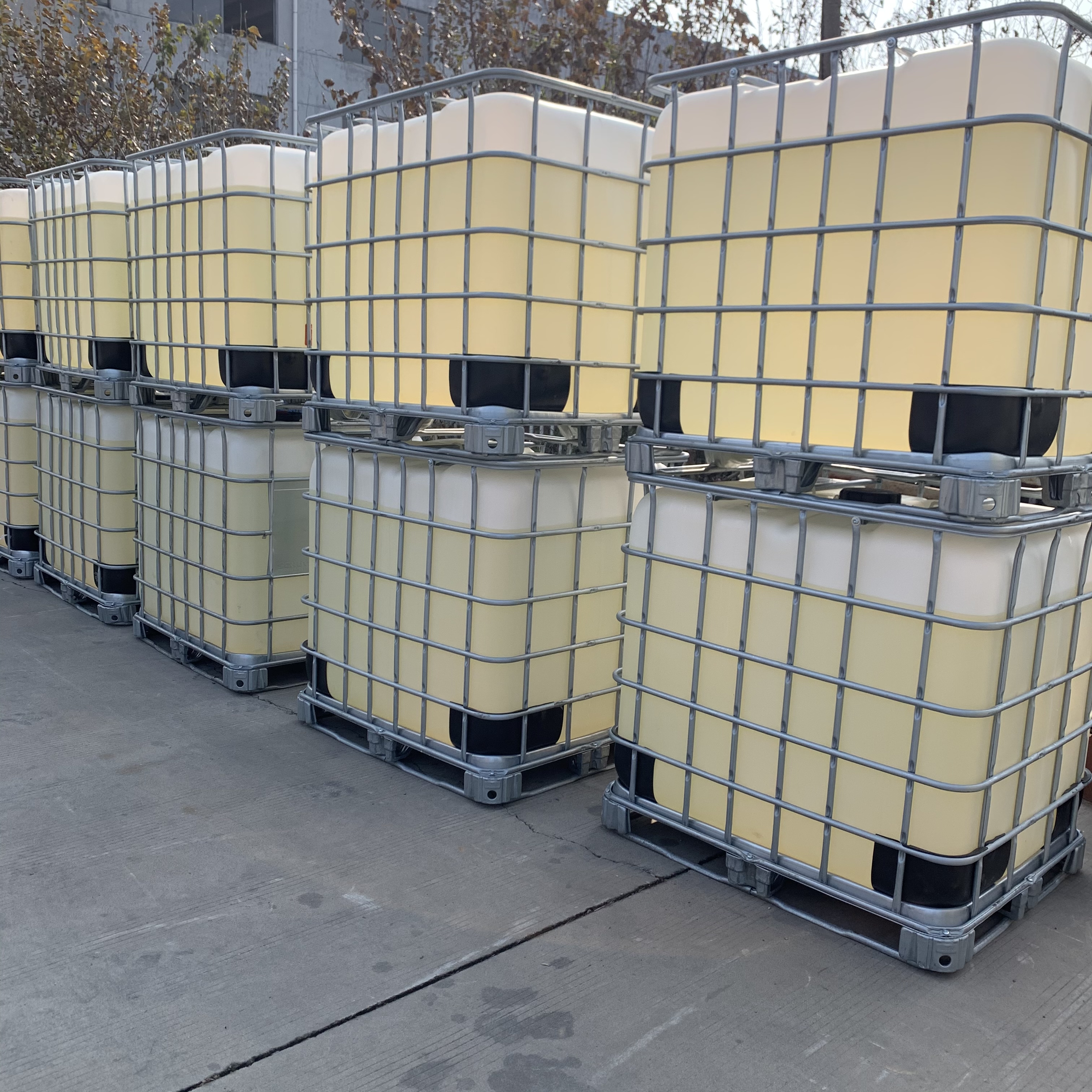
Environmentally friendly solvent series
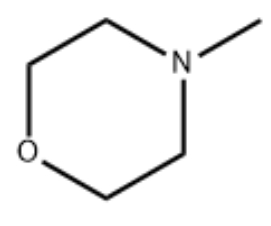
N-Methylmorpholine (NMM) is a methylated derivative of morpholine, with a methyl group introduced on its nitrogen atom. It is an important organic synthesis intermediate and catalyst aid, widely used in medicine, pesticides, polyurethane, solvents and catalytic systems.
109-02-4
99.5%
NMM
1. Polymer material industry
Used in polyurethane production scenarios: The main use of N-methylmorpholine is as a foaming catalyst in the production of polyurethane (PU) foam. NMM is widely used as a catalyst in the polyurethane foaming process. It promotes the reaction between isocyanate and polyol to adjust the foaming speed and foam structure. In the synthesis process of polyurethane, NMM promotes the reaction between isocyanate and water to generate carbon dioxide (foaming gas), thereby forming a foam structure. Its tertiary amine characteristics can effectively adjust the reaction rate, optimize the porosity and mechanical properties of the foam, and are widely used in the production of soft and hard polyurethane foams, such as furniture, car seat cushions, thermal insulation materials, etc.
Used in epoxy resin curing: In some epoxy resin systems, NMM can be used as a curing agent or catalyst to accelerate the crosslinking of resins
2. Organic synthesis and solvents
Used as a polar aprotic solvent: NMM is often used as a solvent in organic reactions, especially in situations where the reaction rate needs to be controlled or polar substances need to be dissolved, such as esterification, alkylation and other reactions. It is also suitable for the dissolution of dyes, casein, wax and shellac. It can also be used as an extractant to extract and separate various chemical components. NMM is often used as a solvent for organic reactions (such as peptide synthesis and preparation of pharmaceutical intermediates) due to its good polarity and solubility. As a weak alkaline catalyst, it participates in esterification, condensation and other reactions, especially in situations where mild reaction conditions are required.
3. Surfactants and cleaning agents
Used as an emulsifier component: Due to its amphiphilic structure, NMM can be used to prepare surfactants and applied to detergents, cosmetics or industrial cleaning agents.
4. Pharmaceutical industry
Used as a drug synthesis intermediate: used in the synthesis of antibiotics, antiviral drugs, etc., for example, as a key intermediate in the production of cephalosporin antibiotics.
Catalyst for the synthesis of aminobenzyl penicillin and hydroxybenzyl penicillin.
5. Energy and environmental protection field
Used in desulfurization process: In the natural gas or oil refining process, NMM can be used as a desulfurizer to help remove sulfur compounds and reduce environmental pollution.
6. Coatings and paint industry
Additive function: As a dispersant or stabilizer in coatings, it improves the leveling, weather resistance and adhesion of the coating.
7. Metal treatment and corrosion protection
Corrosion inhibitor: Adding NMM to metalworking fluid can inhibit metal surface corrosion and extend equipment life.
8. Agricultural field
N-methylmorpholine (NMM) is widely used in the synthesis of pesticide compounds such as insecticides, fungicides, and plant growth regulators.