
99.9% Butyric acid
联系我们

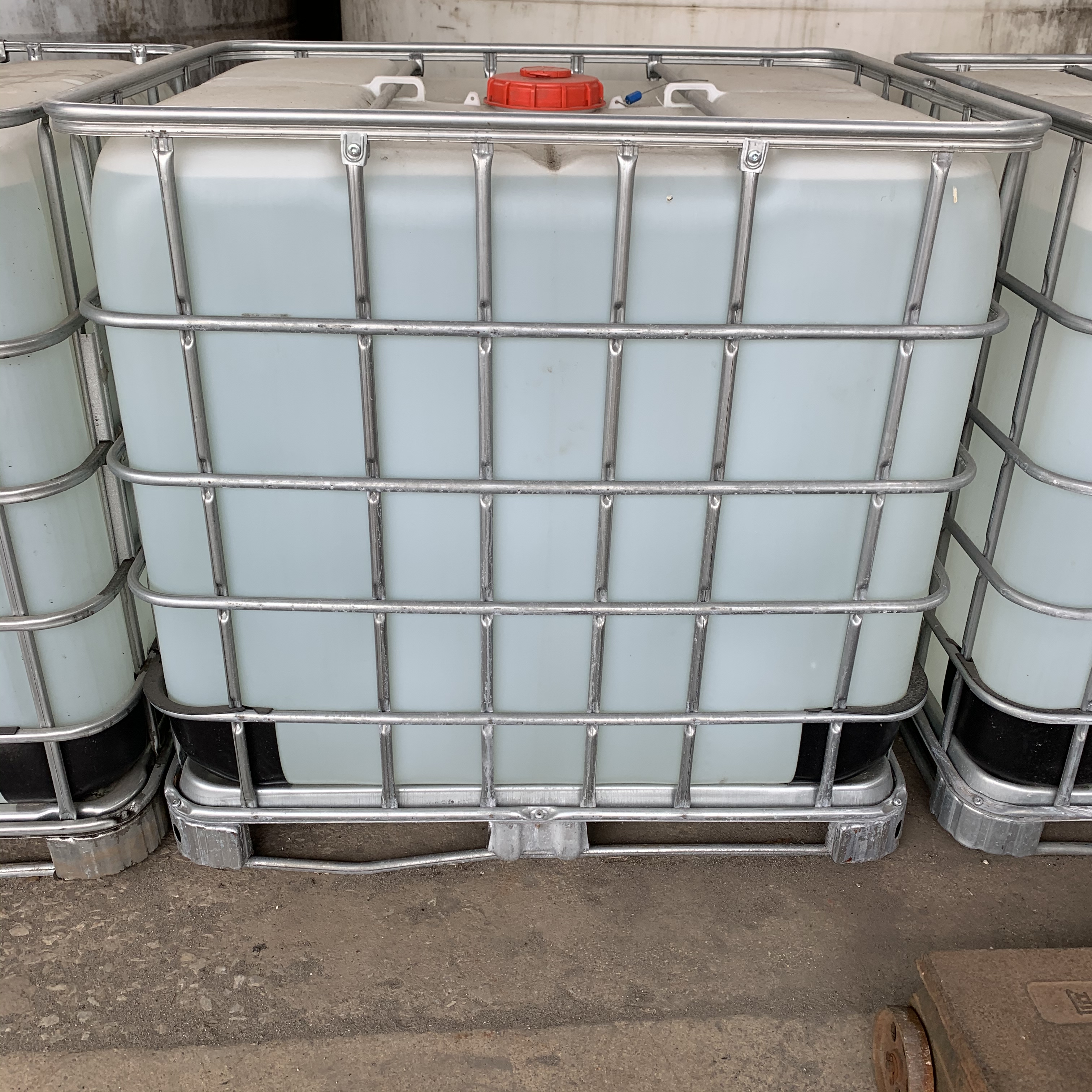
Organic acid ester series
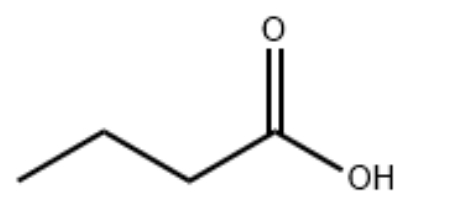
Butyric acid is a short-chain fatty acid with a strong pungent odor and a molecular formula of C4H8O2. It is a metabolite produced during natural fermentation and is found in animals, cheese, yogurt, and some fermented foods.
107-92-6
99.9%
Food and flavor additives
1. Butyric acid is naturally present in dairy products such as butter and cheese. It has a unique fermented aroma and is often used as a food flavor to enhance the flavor of dairy products, candies, chewing gum, baked goods, margarine, beverages, and alcoholic beverages.
2. Used to produce butyrate esters with various fruit flavors, such as methyl butyrate with apple flavor, ethyl butyrate with pineapple flavor, isoamyl butyrate with snow pear flavor, isopropyl butyrate with pineapple flavor, and phenylethyl butyrate with rose flavor.
3. Used to produce food preservatives butyrates, such as calcium butyrate and sodium butyrate, which can inhibit the production of mold and bacteria, can be used as a natural preservative and extend the shelf life of food.
Medical field
1. Intestinal health: Butyric acid is a product of intestinal flora metabolism of dietary fiber, which can nourish colon cells and improve intestinal barrier function. Clinical studies have used it to treat inflammatory bowel disease (such as ulcerative colitis).
2. Antibacterial and anti-tumor, butyric acid has the effect of inhibiting pathogens (such as Salmonella), and has shown the potential to induce apoptosis of cancer cells in laboratory studies.
3. Pharmaceutical intermediates: used to prepare pharmaceutical intermediates such as γ-aminobutyric acid.
4. Flavoring agent: used as a flavoring agent in pharmaceutical manufacturing to improve the taste of drugs.
5. Salt-forming agent: the calcium salt of butyric acid is more soluble in cold water than in hot water, so it can be used as a salt-forming agent to increase the solubility of drugs.
Chemical Engineering and Materials Science
1. Cellulose butyrate: It has outstanding heat resistance, light resistance and moisture resistance. It is used to make coatings, films and degradable plastics, thermoformed signs, glasses, car steering wheels, black telephone parts, etc. It is stronger than cellulose acetate in anti-aging, water resistance, shrinkage, etc. Production of cellulose butyrate and various resins for compounding, paint preparation, spinning and cotton blending.
2. Used to make cellulose flame retardants.
3. Used in the production of chemical products such as butyramide, phenylethyl butyrate, isopentyl butyrate, 2-bromobutyric acid, decyl butyrate, 3-butanone-2-butyrate, 1-octene-3-butyrate, 2-ethyl-1,3-cyclopentanedione, etc.
4. Used in the production of butyrate esters, which are important solvents, fragrances or plasticizers.
Other uses
1. Animal feed additives: Butyrates (such as sodium butyrate) can improve the intestinal health of livestock and poultry, promote nutrient absorption, reduce diarrhea, and improve growth performance.
2. Used in the production of linalyl butyrate and geranyl butyrate in daily fragrances.