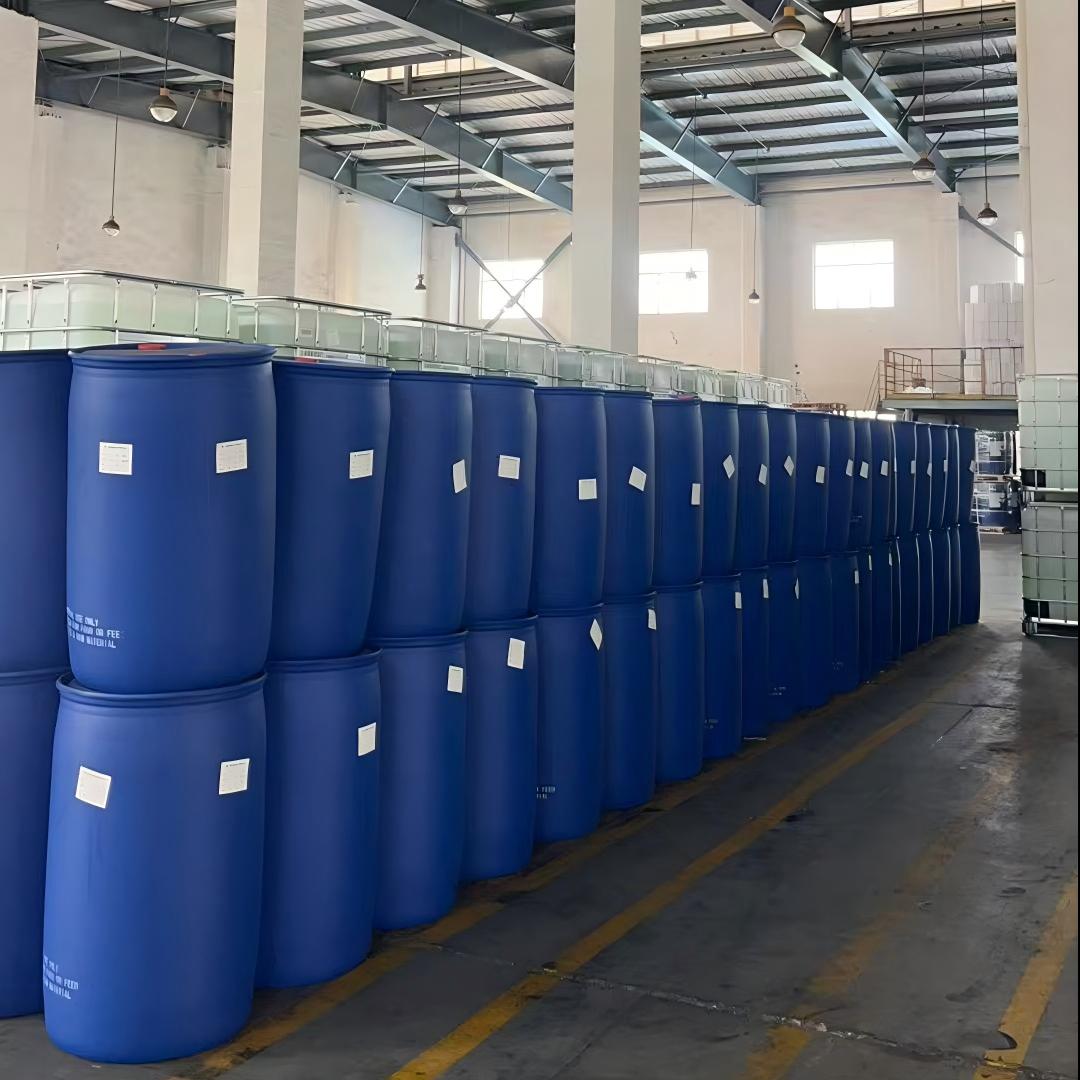
99.5% o-Nitrotoluene

99.5% o-Nitrotoluene

Contact Us

  • Category

    o-Toluidine series

  • Describe

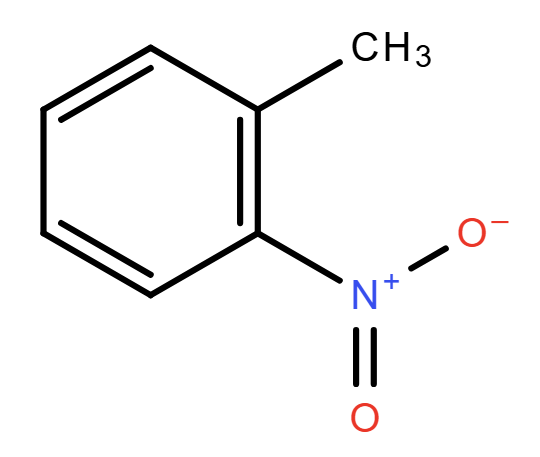
    o-Nitrotoluene is an aromatic hydrocarbon derivative containing nitro and methyl substituents and belongs to the nitrobenzene class of compounds.

  • Cas No.

    88-72-2

  • Purity

    99.5%

  • Synonym(s)

    o-Nitrotoluene

Physical and chemical properties

  • 1. Chemical Identity
    • Chemical Name: o-Nitrotoluene
    • IUPAC Name: 1-Methyl-2-nitrobenzene
    • Synonyms: 2-Nitrotoluene, ONT, Ortho-nitrotoluene
    • CAS Number: 88-72-2
    • EC Number: 201-853-3
    • Molecular Formula: C7H7NO2
    • Molecular Weight: 137.14 g/mol
  • 2. Physical Properties
    • Appearance: Pale yellow to yellow liquid. May solidify below room temperature into a crystalline solid.
    • Odor: Aromatic, characteristic odor similar to bitter almonds.
    • Melting Point:
    • alpha-form: -10.5 °C (13.1 °F)
    • beta-form: -4.1 °C (24.6 °F)
    • Boiling Point: 222 °C (432 °F) at 1013 hPa
    • Density: 1.16 g/cm³ at 20 °C
    • Solubility:
    • In Water: 0.665 g/L at 25 °C (Slightly soluble)
    • In Organic Solvents: Soluble in ethanol, diethyl ether, acetone, and benzene.
    • Vapor Pressure: 0.1 hPa at 20 °C
    • Vapor Density: 4.72 (Air = 1)
  • 3. Chemical Properties and Stability
    • Stability: Stable under recommended storage conditions.
    • Incompatibilities: Incompatible with strong oxidizing agents, strong bases, and reducing agents. Avoid contact with alkalies and amines.
    • Hazardous Decomposition Products: Combustion may produce toxic fumes of carbon monoxide (CO), carbon dioxide (CO2), and nitrogen oxides (NOx).
  • 4. Other Key Data
    • Flash Point: 106 °C (223 °F) - Closed cup
    • Autoignition Temperature: 420 °C (788 °F)
    • Refractive Index (n20/D): 1.547
 

Application

1. Applied to pesticides, the known pesticide intermediates produced using o-nitrotoluene as raw material include 4-chloro-2-nitrotoluene cas89-59-8, 2-chloro-6-nitrotoluene cas83-42-1, o-nitrotoluene cas83-42-1, Aniline cas95-53-4, ortho-toluidine and 2,6-dichlorobenzaldehyde and other dye intermediates; quinclorac cas84087-01-4, 3-chloro-2-methylaniline cas87-60-5, 5-Chloro-2-methylaniline cas 95-79-4

2. Applied in medicine, the known pharmaceutical intermediates using o-nitrotoluene as raw materials include nifedipine, dicloxacillin sodium, 2-nitrobenzyl bromide, o-nitrobenzyl alcohol, iminostilbeneformyl chloride, indole, carbamazepine, iminodibenzyl, etc.

3. Regarding other products, the known products using m-nitrobenzene as raw materials include 2-fluorotoluene, o-nitrobenzoic acid, o-nitrobenzaldehyde.

Safety Information

  • This information is a summary based on the Globally Harmonized System of Classification and Labelling of Chemicals (GHS).
  • 1. GHS Classification
    • Acute Toxicity, Oral (Category 4)
    • Acute Toxicity, Dermal (Category 4)
    • Acute Toxicity, Inhalation (Category 4)
    • Carcinogenicity (Category 2)
    • Reproductive Toxicity (Category 2)
    • Specific Target Organ Toxicity — Repeated Exposure (Category 2) (Affects blood, liver, spleen, testes)
    • Hazardous to the Aquatic Environment, Chronic Hazard (Category 2)
  • 2. GHS Label Elements
    • Pictograms:
      • Health Hazard (GHS08)
      • Exclamation Mark (GHS07)
      • Environment (GHS09)
    • Signal Word: Warning
    • Hazard Statements (H-Statements):
      • H302 + H312 + H332: Harmful if swallowed, in contact with skin or if inhaled.
      • H351: Suspected of causing cancer.
      • H361: Suspected of damaging fertility or the unborn child.
      • H373: May cause damage to organs (blood, liver, spleen, testes) through prolonged or repeated exposure.
      • H411: Toxic to aquatic life with long-lasting effects.
    • Precautionary Statements (P-Statements):
      • Prevention:
        • P201: Obtain special instructions before use.
        • P260: Do not breathe dust/fume/gas/mist/vapors/spray.
        • P273: Avoid release to the environment.
        • P280: Wear protective gloves, protective clothing, eye protection, and face protection.
      • Response:
        • P308 + P313: IF exposed or concerned: Get medical advice/attention.
        • P391: Collect spillage.
      • Storage:
        • P405: Store locked up.
      • Disposal:
        • P501: Dispose of contents/container to an approved hazardous waste disposal plant.
  • 3. Summary of Primary Hazards
    • Health Hazards: Harmful through all primary routes of exposure (ingestion, skin contact, inhalation). Prolonged or repeated exposure can lead to the formation of methemoglobin, causing cyanosis (bluish discoloration of the skin). It is a suspected carcinogen and reproductive toxin, and can cause damage to target organs.
    • Environmental Hazards: Toxic to aquatic organisms and can cause long-term adverse effects in the aquatic environment.
    • Fire Hazards: Combustible liquid. Keep away from heat, sparks, and open flames.

Follow Us
Get Updates

Contact Us