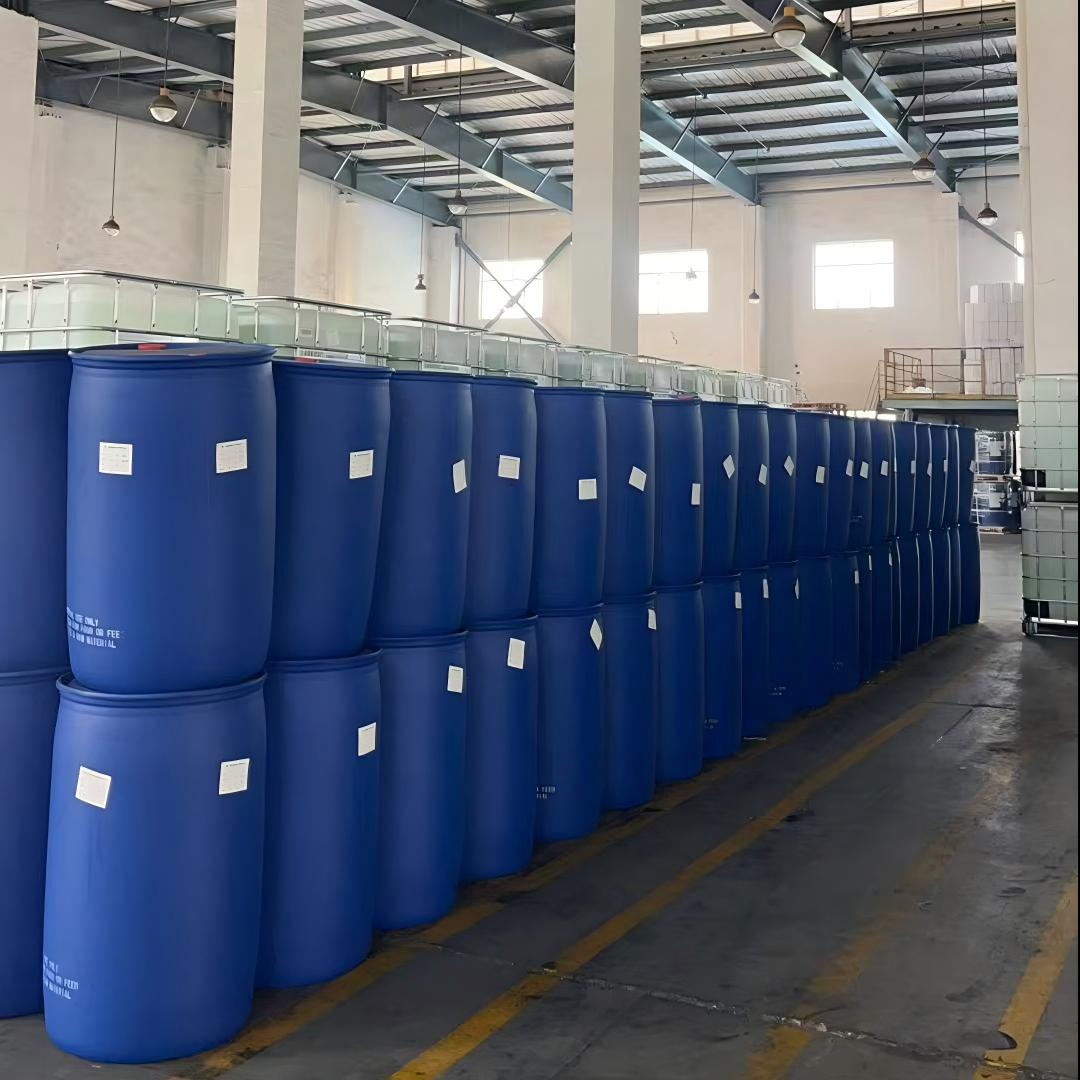
100% 4-Amino-2-chloro toluene

100% 4-Amino-2-chloro toluene

Contact Us

  • Category

    o-Toluidine series

  • Describe

    4-Amino-2-chloro toluene (o-chloro-p-toluidine, CAS 95-74-9) is an important aromatic amine organic intermediate, mainly used in the synthesis of dyes, pigments, pharmaceuticals and pesticides.

  • Cas No.

    95-74-9

  • Purity

    100%

  • Synonym(s)

    3-Chloro-4-methylaniline

Physical and chemical properties

  • 1. Physical and Chemical Properties
    • 1.1. Chemical Identity
      • Chemical Name: 4-Amino-2-chlorotoluene
      • IUPAC Name: 3-chloro-4-methylaniline
      • Synonyms: 2-Chloro-4-toluidine; 3-Chloro-p-toluidine; 4-Methyl-3-chloroaniline.
      • CAS Number: 95-74-9
      • EC Number: 202-446-3
      • Molecular Formula: $C_7H_8ClN$
      • Molecular Weight: 141.60 g/mol
    • 1.2. Physical Properties
      • Appearance: Light yellow to brown crystalline solid or liquid (depending on ambient temperature).
      • Odor: Characteristic amine-like odor.
      • Melting Point: 22–26 °C (71.6–78.8 °F)
      • Boiling Point: 242–244 °C (467.6–471.2 °F) at 1013 hPa
      • Density: ~1.18 g/cm³ at 25 °C
      • Solubility: * In Water: Slightly soluble.
      • In Organic Solvents: Soluble in ethanol, diethyl ether, and benzene.
      • Vapor Pressure: ~0.03 hPa at 25 °C
    • 1.3. Chemical Properties and Stability
      • Stability: Stable under recommended storage conditions. Darkens upon exposure to light and air.
      • Incompatibilities: Incompatible with strong oxidizing agents, acids, acid chlorides, and acid anhydrides.
      • Hazardous Polymerization: Will not occur.
      • Hazardous Decomposition Products: Thermal decomposition can produce toxic fumes of nitrogen oxides ($NO_x$), hydrogen chloride ($HCl$), and carbon oxides ($CO, CO_2$).
    • 1.4. Other Key Data
      • Flash Point: ~125 °C (257 °F) - Closed cup.
      • Refractive Index: ~1.585
 

Application

It is used to manufacture organic pigment intermediates such as 2-Amino-4-chloro-5-methylbenzenesulfonic acid, pesticides such as chloromeron herbicide, and pharmaceutical intermediates.

Safety Information

  • This information is a summary based on the Globally Harmonized System of Classification and Labelling of Chemicals (GHS).
  • 2.1. GHS Classification
    • Acute Toxicity, Oral (Category 4)
    • Acute Toxicity, Dermal (Category 4)
    • Acute Toxicity, Inhalation (Category 4)
    • Skin Irritation (Category 2)
    • Eye Irritation (Category 2A)
    • Hazardous to the Aquatic Environment, Chronic Hazard (Category 2)
  • 2.2. GHS Label Elements
    • Pictogram: Exclamation Mark (GHS07), Environment (GHS09)
  • Signal Word: Warning
  • Hazard Statements (H-Statements):
    • H302 + H312 + H332: Harmful if swallowed, in contact with skin, or if inhaled.
    • H315: Causes skin irritation.
    • H319: Causes serious eye irritation.
    • H411: Toxic to aquatic life with long-lasting effects.
  • Precautionary Statements (P-Statements):
    • Prevention:
      • P261: Avoid breathing dust/fume/gas/mist/vapors/spray.
      • P273: Avoid release to the environment.
      • P280: Wear protective gloves, protective clothing, eye protection, and face protection.
    • Response:
      • P302 + P352: IF ON SKIN: Wash with plenty of soap and water.
      • P305 + P351 + P338: IF IN EYES: Rinse cautiously with water for several minutes. Remove contact lenses, if present and easy to do. Continue rinsing.
      • P312: Call a POISON CENTER or doctor/physician if you feel unwell.
    • Disposal:
      • P501: Dispose of contents/container to an approved hazardous waste disposal plant.
  • 2.3. Summary of Primary Hazards
    • Health Hazards: Harmful by all primary routes of exposure. It can cause irritation to the skin and eyes. Like many aromatic amines, it should be handled with care to avoid absorption through the skin, which can lead to methemoglobinemia (interference with blood oxygen transport).
    • Fire Hazards: Combustible. During a fire, irritating and highly toxic gases may be generated.
    • Environmental Hazards: Toxic to aquatic organisms. Prevent the substance from entering drains, sewers, or watercourses.

Follow Us
Get Updates

Contact Us