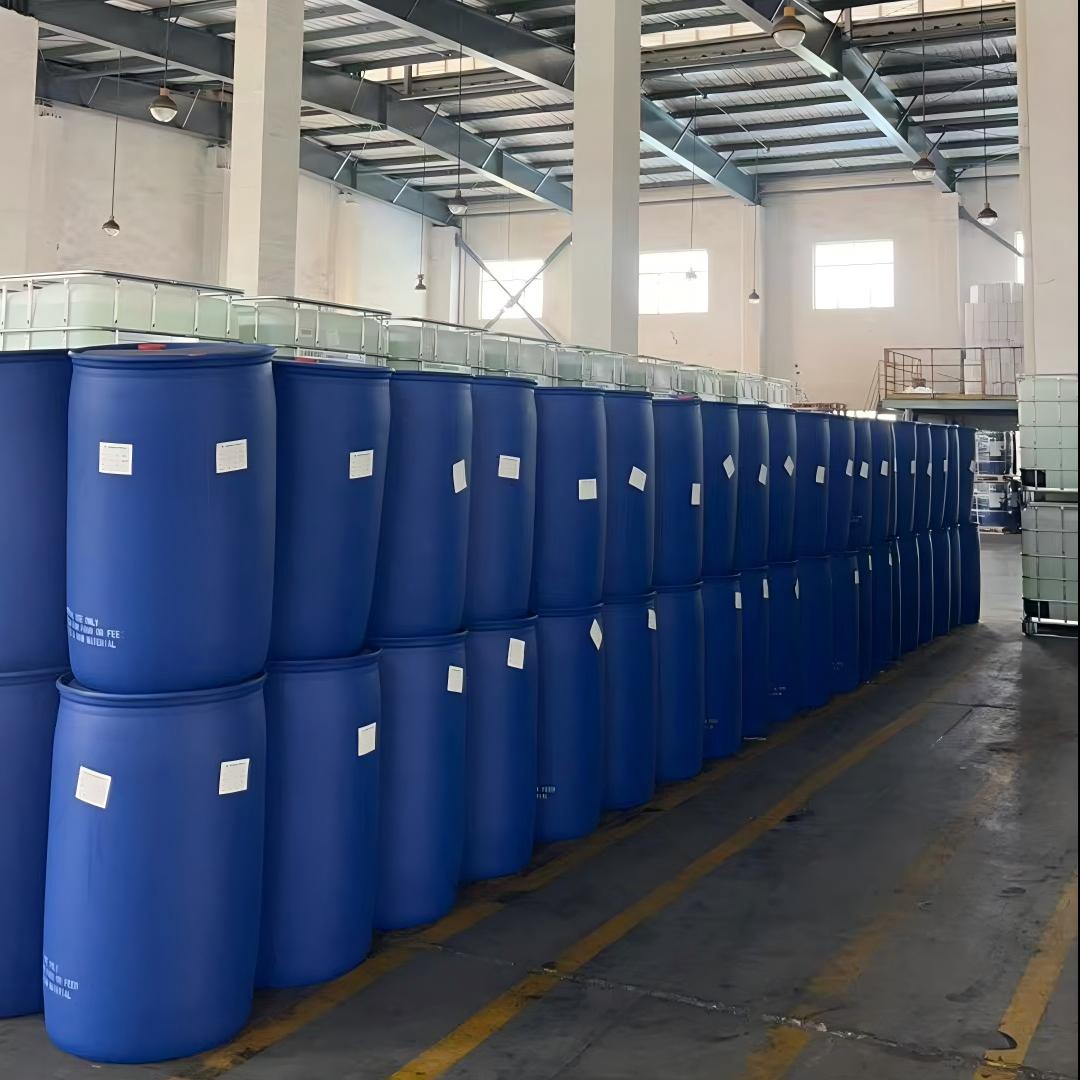
100% 2-Amino-4-chloro-5-methylbenzenesulfonic acid

100% 2-Amino-4-chloro-5-methylbenzenesulfonic acid

Contact Us

  • Category

    o-Toluidine series

  • Describe

    2-Amino-4-chloro-5-methylbenzenesulfonic acid is a white to light brown powder, slightly soluble in water, and an aromatic organic intermediate, mainly used in the synthesis of red azo pigments.

  • Cas No.

    88-51-7

  • Purity

    100%

  • Synonym(s)

    5-amino-4-chloro-2-methylbenzenesulfonic acid

Physical and chemical properties

  • 1. Physical and Chemical Properties
    • 1.1. Chemical Identity
      • Chemical Name: 4-amino-6-chlorotoluene-3-sulphonic acid
      • IUPAC Name: 2-amino-4-chloro-5-methylbenzenesulfonic acid
      • Synonyms: CLT Acid; 2-Amino-4-chloro-5-methylbenzenesulphonic acid; 6-Chloro-4-aminotoluene-3-sulfonic acid.
      • CAS Number: 88-51-7
      • EC Number: 201-837-1
      • Molecular Formula: $C_7H_8ClNO_3S$
      • Molecular Weight: 221.66 g/mol
    • 1.2. Physical Properties
      • Appearance: Off-white to light gray or pinkish crystalline powder.
      • Odor: Odorless or very faint characteristic odor.
      • Melting Point: >300 °C (May decompose before melting).
      • Density: ~1.6 g/cm³
      • Solubility:
        • In Water: Slightly soluble in cold water; more soluble in hot water.
        • In Alkaline Solutions: Highly soluble (readily forms water-soluble salts like sodium or potassium salts).
        • In Organic Solvents: Poorly soluble in most common organic solvents (e.g., ethanol, ether).
      • pH: Acidic in aqueous suspension.
    • 1.3. Chemical Properties and Stability
      • Stability: Stable under normal temperatures and pressures.
      • Incompatibilities: Incompatible with strong oxidizing agents, strong bases, and acid chlorides.
      • Hazardous Polymerization: Will not occur.
      • Hazardous Decomposition Products: Thermal decomposition can produce toxic fumes of nitrogen oxides ($NO_x$), sulfur oxides ($SO_x$), hydrogen chloride ($HCl$), and carbon oxides ($CO$, $CO_2$).
    • 1.4. Other Key Data
      • Flash Point: Not applicable (solid).
      • Autoignition Temperature: Not determined.
 

Application

1. In organic pigments, it can be used to synthesize Fast Red BBN, Permanent Red F5R, Fast Red BBS, Permanent Red 2BL, Fast Red MGP, etc.
2. In dyes, it can be used to synthesize reactive dyes and direct dyes.
3. In pharmaceuticals or pesticides, it can be used as an organic intermediate in the synthesis of specific drugs, fungicides, and insecticides.
4. In other applications, it can be used to prepare fluorescent whitening agents, special auxiliaries, etc.

Safety Information

  • This information is a summary based on the Globally Harmonized System of Classification and Labelling of Chemicals (GHS) and typical Safety Data Sheets (SDS).
  • 2.1. GHS Classification
    • Skin Irritation (Category 2)
    • Eye Irritation (Category 2A)
    • Skin Sensitization (Category 1)
    • Specific Target Organ Toxicity — Single Exposure (Category 3), Respiratory System irritation.
  • 2.2. GHS Label Elements
    • Pictogram: * Exclamation Mark (GHS07)
    • Signal Word: Warning
    • Hazard Statements (H-Statements):
      • H315: Causes skin irritation.
      • H317: May cause an allergic skin reaction.
      • H319: Causes serious eye irritation.
      • H335: May cause respiratory irritation.
  • Precautionary Statements (P-Statements):
    • Prevention:
      • P261: Avoid breathing dust/fume/gas/mist/vapors/spray.
      • P264: Wash skin thoroughly after handling.
      • P280: Wear protective gloves, eye protection, and face protection.
    • Response:
      • P302 + P352: IF ON SKIN: Wash with plenty of soap and water.
      • P304 + P340: IF INHALED: Remove person to fresh air and keep comfortable for breathing.
      • P305 + P351 + P338: IF IN EYES: Rinse cautiously with water for several minutes. Remove contact lenses, if present and easy to do. Continue rinsing.
      • P333 + P313: If skin irritation or rash occurs: Get medical advice/attention.
      • P337 + P313: If eye irritation persists: Get medical advice/attention.
    • Storage:
      • P403 + P233: Store in a well-ventilated place. Keep container tightly closed.
    • Disposal:
      • P501: Dispose of contents/container to an approved hazardous waste disposal plant.
  • 2.3. Summary of Primary Hazards
    • Health Hazards: The primary risk is irritation to the eyes, skin, and respiratory tract. As a sulfonated aromatic amine, it is a potential skin sensitizer; repeated exposure may lead to allergic dermatitis in sensitive individuals.
    • Fire Hazards: Not flammable, but dust clouds in high concentrations may present a secondary explosion risk if exposed to a strong ignition source.
    • Environmental Hazards: While not specifically classified as highly toxic to aquatic life, it should be prevented from entering sewers or waterways as it can contribute to chemical oxygen demand (COD) and acidity.

Follow Us
Get Updates

Contact Us