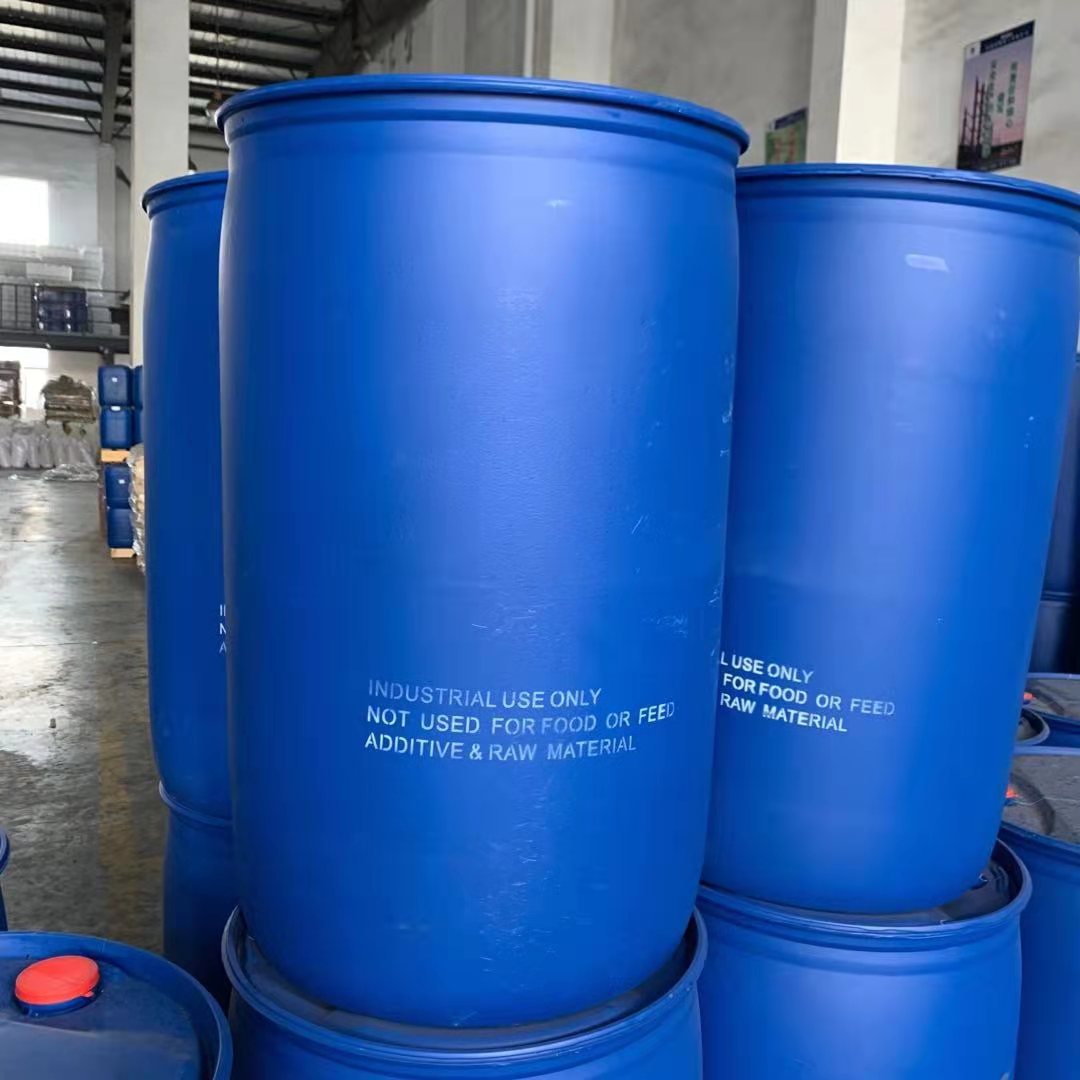
Pentaerythritol triacrylate

Pentaerythritol triacrylate

Contact Us

  • Category

    Acrylate series

  • Describe

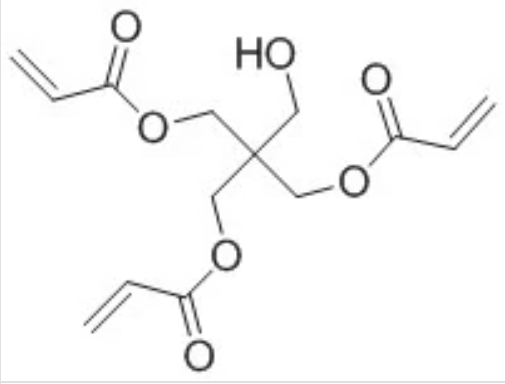
    Pentaerythritol triacrylate (PETA) is an important multifunctional acrylate monomer containing three acrylate groups, with a high cross-linking density, and is often used in photocurable material systems.

  • Cas No.

    3524-68-3

  • Purity

    mixture

  • Synonym(s)

    PETA

Physical and chemical properties

  • 1. Chemical Identity
    • Chemical Name: Pentaerythritol triacrylate
    • IUPAC Name: (3-Acryloyloxy-2,2-bis(acryloyloxymethyl)propyl) acrylate
    • Synonyms: PETA, Pentaerythritol tri/tetraacrylate mixture
    • CAS Number: 3524-68-3
    • EC Number: 222-540-8
    • Molecular Formula: C14​H18​O7​ (for the triacrylate component)
    • Molecular Weight: 298.29 g/mol (for the triacrylate component)
  • 2. Physical Properties
    • Appearance: Clear, colorless to pale yellow viscous liquid.
    • Odor: Mild, characteristic, acrylic/ester-like.
    • Melting Point: Not available.
    • Boiling Point: >200 °C (>392 °F) at <1 hPa (Decomposes)
    • Density: 1.16 - 1.19 g/cm³ at 20 °C
    • Solubility:
    • In Water: < 0.1 g/L (Insoluble)
    • In Organic Solvents: Soluble in many common organic solvents (e.g., ketones, esters).
    • Vapor Pressure: <0.01 hPa at 20 °C
    • Viscosity: 350 - 550 mPa·s at 25 °C
  • 3. Chemical Properties and Stability
    • Stability: Stable under recommended storage conditions. Typically supplied with a polymerization inhibitor (e.g., MEHQ).
    • Incompatibilities: Incompatible with strong oxidizing agents, strong bases, strong acids, reducing agents, peroxides, and free-radical initiators.
    • Hazardous Polymerization: May occur if not properly inhibited or if exposed to high temperatures, direct sunlight, UV radiation, or contaminants. Polymerization is a highly exothermic reaction.
    • Hazardous Decomposition Products: Combustion may produce toxic fumes of carbon monoxide (CO) and carbon dioxide (CO2​).
  • 4. Other Key Data
    • Flash Point: >150 °C (>302 °F) - Closed cup
    • Refractive Index (n20/D): ~1.482
 

Application

1. The field of photocurable coatings includes: industrial coatings such as automotive metal varnish, furniture topcoat, floor wear-resistant coating, mobile phone shell coating, packaging shell coating; smartphone screen anti-scratch coating, touch panel optical adhesive (OCA) protective layer; optical fiber UV coating, special coatings such as food-grade protective layer in cans, and sports equipment wear-resistant coating.

2. Printing ink system includes: packaging printing such as soft packaging retort ink, cigarette shell anti-counterfeiting holographic printing ink; electronic printing such as flexible circuit board (FPCB) conductive ink, touch screen silver paste circuit printing material, RFID tag antenna printing ink.

3. Adhesive and sealant application: electronic component assembly such as electrical adhesives, photocurable adhesives, photovoltaic module layer encapsulation glue, mobile phone display OCA optical glue, LED chip encapsulation glue, hard disk read-write head structural glue, photoresist, PCB solder mask, display optical film layer; industrial adhesives such as car headlight lens sealant, photovoltaic module layer encapsulation glue, safety glass interlayer glue.

4. 3D printing materials: rapid prototyping such as dental filling resin, photosensitive resin for dental braces, resin for jewelry casting, industrial design prototype photocuring materials, medical device coatings; biomedical hearing aid shell resin, surgical medical grade materials, orthopedic implant model resin.

5. Electronic chemicals: semiconductor manufacturing such as wafer bonding glue, chip bump photoresist, MEMS device packaging materials; display technology such as LCD polarizer adhesive, OLED packaging water-blocking oxygen glue, quantum dot display film materials.

6. Medical materials: dental materials such as braces 3D printing resin, pit and fissure sealants, crown photocuring materials; medical devices such as dialysis equipment packaging glue, endoscope protective coating, medical sensor substrate, etc.

Safety Information

  • This information is a summary based on the Globally Harmonized System of Classification and Labelling of Chemicals (GHS).
    • 1. GHS Classification
      • Acute Toxicity, Dermal (Category 4)
      • Skin Irritation (Category 2)
      • Serious Eye Damage (Category 1)
      • Skin Sensitization (Category 1)
      • Hazardous to the Aquatic Environment, Acute Hazard (Category 1)
      • Hazardous to the Aquatic Environment, Chronic Hazard (Category 1)
    • 2. GHS Label Elements
      • Pictograms:
        • Corrosion (GHS05)
        • Exclamation Mark (GHS07)
        • Environment (GHS09)
      • Signal Word: Danger
      • Hazard Statements (H-Statements):
        • H312: Harmful in contact with skin.
        • H315: Causes skin irritation.
        • H317: May cause an allergic skin reaction.
        • H318: Causes serious eye damage.
        • H410: Very toxic to aquatic life with long lasting effects.
      • Precautionary Statements (P-Statements):
      • Prevention:
        • P273: Avoid release to the environment.
        • P280: Wear protective gloves, protective clothing, eye protection, and face protection.
      • Response:
        • P302 + P352: IF ON SKIN: Wash with plenty of soap and water.
        • P305 + P351 + P338 + P310: IF IN EYES: Rinse cautiously with water for several minutes. Remove contact lenses, if present and easy to do. Continue rinsing. Immediately call a POISON CENTER or doctor/physician.
        • P312: Call a POISON CENTER or doctor/physician if you feel unwell.
        • P333 + P313: If skin irritation or rash occurs: Get medical advice/attention.
        • P391: Collect spillage.
      • Storage:
      • Store in a cool, dark, well-ventilated place.
      • Disposal:
        • P501: Dispose of contents/container to an approved hazardous waste disposal plant.
    • 3. Summary of Primary Hazards
      • Health Hazards: Harmful in contact with skin. Causes serious, potentially irreversible, eye damage. Causes skin irritation and is a known skin sensitizer, meaning repeated contact can lead to the development of an allergic skin reaction (contact dermatitis).
      • Environmental Hazards: Very toxic to aquatic life with long-lasting effects. Release into the environment must be strictly avoided.
      • Reactivity Hazards: The product is a multifunctional reactive monomer that can undergo hazardous polymerization if not properly stabilized and handled. Keep away from heat, sunlight, and contamination.

Follow Us
Get Updates

Contact Us