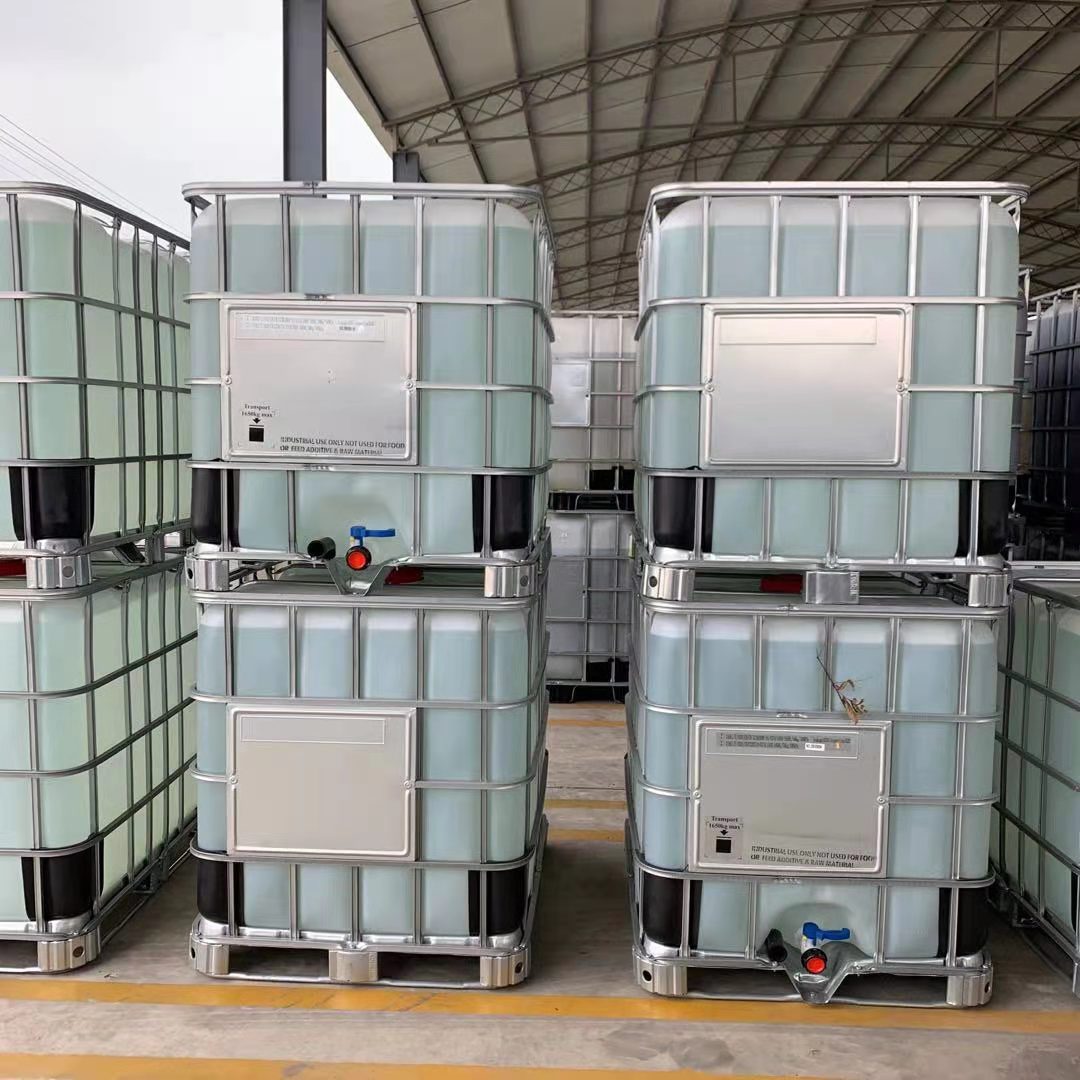
99.5% Propylene glycol

99.5% Propylene glycol

Contact Us

  • Category

    Polyol Series

  • Describe

    Propylene glycol (PG) is a common diol compound with good hygroscopicity, solubility and low toxicity. It is widely used in food, cosmetics, pharmaceuticals, e-cigarette liquids, coatings and industrial solvents.

  • Cas No.

    57-55-6

  • Purity

    99.5%

  • Synonym(s)

    PG

Physical and chemical properties

  • 1. Chemical Identity
    • Chemical Name: Propylene glycol
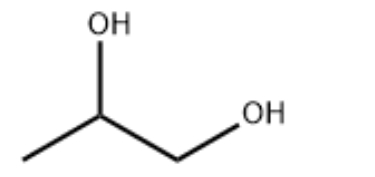
    • IUPAC Name: Propane-1,2-diol
    • Synonyms: PG, 1,2-Propanediol, Monopropylene glycol (MPG), α-Propylene glycol
    • CAS Number: 57-55-6
    • EC Number: 200-338-0
    • Molecular Formula: C3​H8​O2​
    • Molecular Weight: 76.09 g/mol
    • Appearance: Clear, colorless, viscous, hygroscopic liquid.
    • Odor: Practically odorless.
    • Taste: Faintly sweet taste.
    • Melting Point: -59 °C (-74 °F) (supercools readily)
  • 2. Physical Properties
    • Boiling Point: 187-188 °C (369-370 °F) at 1013 hPa
    • Density: 1.036 g/cm³ at 20 °C
    • Solubility:
    • In Water: Miscible (soluble in all proportions).
    • In Organic Solvents: Miscible with acetone, ethanol, and chloroform. Soluble in ether.
    • Vapor Pressure: 0.11 hPa at 20 °C
    • Vapor Density: 2.62 (Air = 1)
    • Viscosity: 45.4 mPa·s at 25 °C
  • 3. Chemical Properties and Stability
    • Stability: Stable under normal conditions. Hygroscopic (absorbs moisture from the air). Can oxidize at high temperatures.
    • Incompatibilities: Incompatible with strong oxidizing agents (e.g., potassium permanganate), strong acids, and strong bases. Can react with isocyanates.
    • Hazardous Decomposition Products: Combustion may produce toxic fumes of carbon monoxide (CO) and carbon dioxide (CO2​).
  • 4. Other Key Data
    • Flash Point: 103 °C (217 °F) - Closed cup
    • Autoignition Temperature: 415 °C (779 °F)
    • Explosive Limits:
    • Lower Explosive Limit (LEL): 2.6 % (V)
    • Upper Explosive Limit (UEL): 12.5 % (V)
    • Refractive Index (n20/D): ~1.432
 

Application

1. Resin industry: The biggest use of propylene glycol is to produce unsaturated polyester, polyurethane resin, epoxy resin, and it is also a plasticizer and dehydrating agent for plastics.

2. Food industry: Propylene glycol is non-toxic, hygroscopic, and sticky, and is a good solvent for condiments and pigments; propylene glycol and fatty acids are synthesized to form propylene glycol fatty acid esters, which are mainly used as food emulsifiers; used as solvents in beverages and seasonings to help evenly disperse ingredients; used in baked goods, candies, dairy products, etc. to maintain moisture and texture and extend shelf life; food packaging softener.

3. Pharmaceutical industry: Propylene glycol is often used as a solvent for various ointments and salves in the pharmaceutical industry; inhibits microbial growth in vaccines and topical medications 3. Used in plasters and creams to help drugs penetrate the skin, extend the shelf life of drugs, and reduce component decomposition.

4. Cosmetics industry, moisturizing and locking water: absorbs water in lotions and creams to keep the skin moist; because propylene glycol has good mutual solubility with various spices, it is also used as a solvent and softener for cosmetics; solvent and stabilizer, dissolving active ingredients and enhancing product texture, such as toothpaste and makeup remover.

5. In the tobacco industry, it can be used as tobacco flavors and tobacco moisturizers to keep tobacco leaves moist, prevent them from breaking, mix with glycerin to produce smoke, and adjust the viscosity and taste of electronic cigarette liquid.

6. Synthesize acrylates and methacrylates with acrylic acid and methacrylic acid, and use them in UV coatings, inks, resins, electronics and other industries.

7. Used in coatings, paints, and pesticide industries.

Safety Information

  • This information is a summary based on the Globally Harmonized System of Classification and Labelling of Chemicals (GHS).
    • 1. GHS Classification
      • This substance is not classified as hazardous according to the Globally Harmonized System (GHS).
    • 2. GHS Label Elements
      • Pictograms: No pictogram is required.
      • Signal Word: No signal word is required.
      • Hazard Statements: No hazard statements are required.
      • Precautionary Statements:
      • While not required, good industrial hygiene practices are recommended, such as:
        • P264: Wash hands thoroughly after handling.
        • P305 + P351 + P338: IF IN EYES: Rinse cautiously with water for several minutes. Remove contact lenses, if present and easy to do. Continue rinsing.
    • 3. Summary of Primary Hazards
      • Health Hazards: Propylene glycol has very low acute and chronic toxicity. It is generally recognized as safe (GRAS) for use in food, cosmetics, and pharmaceuticals by many regulatory agencies, including the US FDA. Ingestion of large quantities can lead to central nervous system depression and lactic acidosis, but such cases are rare and typically associated with medical applications or massive accidental ingestion. It is not considered a skin or eye irritant under GHS criteria, though concentrated solutions may cause mild, transient irritation.
      • Fire Hazards: Combustible liquid. It has a relatively high flash point and is not considered a fire hazard under normal conditions, but it will burn if exposed to a strong ignition source and preheated.
      • Environmental Hazards: It is not classified as hazardous to the aquatic environment. It is readily biodegradable and has a low potential for bioaccumulation.

Follow Us
Get Updates

Contact Us