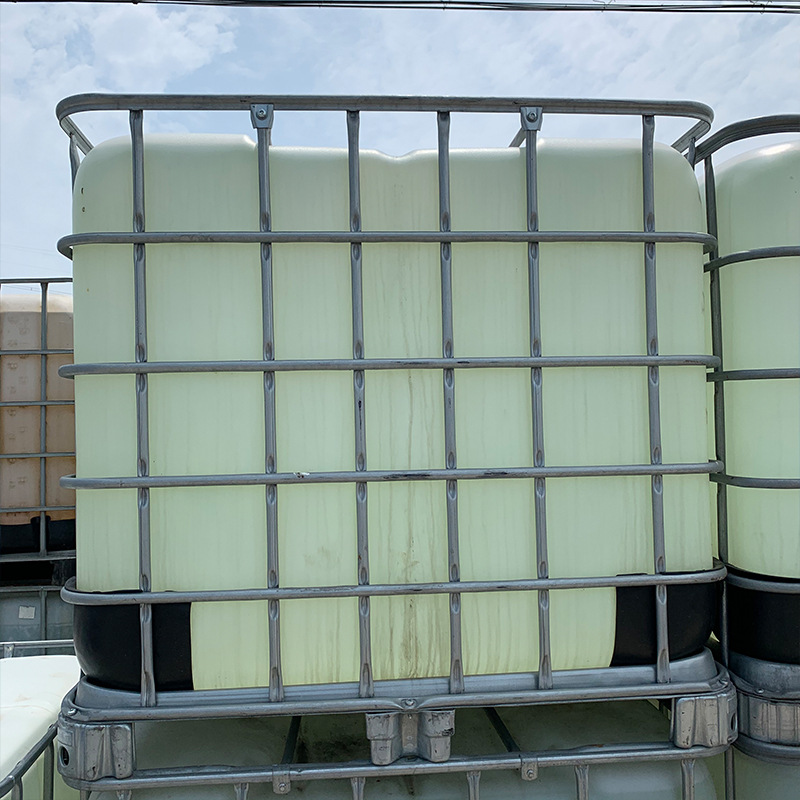
99.5% Tetraethylene glycol

99.5% Tetraethylene glycol

Contact Us

  • Category

    Polyol Series

  • Describe

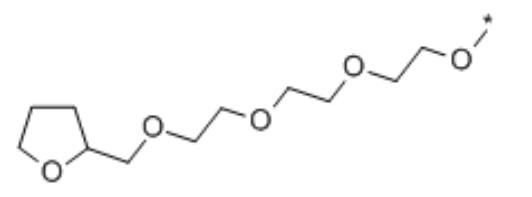
    Tetraethylene glycol (TEG-4 or TEG₄) is a colorless, odorless, viscous polyol compound. It is a type of polyethylene glycol ether (oligoether) with good hygroscopicity, thermal stability and solubility. It is widely used in solvents, lubricants, gas dehydrating agents, surfactant raw materials and other fields.

  • Cas No.

    31692-85-0

  • Purity

    99.5%

  • Synonym(s)

    TEG-4 ; TEG₄

Physical and chemical properties

  • Physical and Chemical Properties
    • 1. Chemical Identity
      • Chemical Name: Tetraethylene glycol
      • IUPAC Name: 2-[2-[2-(2-Hydroxyethoxy)ethoxy]ethoxy]ethan-1-ol
      • Synonyms: TEG-4, 3,6,9-Trioxaundecane-1,11-diol
      • CAS Number: 112-60-7
      • EC Number: 203-989-9
      • Molecular Formula: C8​H18​O5​
      • Molecular Weight: 194.23 g/mol
    • 2. Physical Properties
      • Appearance: Clear, colorless, viscous, hygroscopic liquid.
      • Odor: Practically odorless.
      • Melting Point: -6 °C (21 °F)
      • Boiling Point: 327-328 °C (621-622 °F) at 1013 hPa
      • Density: 1.125 g/cm³ at 20 °C
      • Solubility:
      • In Water: Miscible (soluble in all proportions).
      • In Organic Solvents: Soluble in alcohol and acetone. Insoluble in ether, benzene, and most hydrocarbons.
      • Vapor Pressure: <0.01 hPa at 20 °C
      • Vapor Density: 6.7 (Air = 1)
      • Viscosity: 61.2 mPa·s at 20 °C
    • 3. Chemical Properties and Stability
      • Stability: Stable under normal conditions. Hygroscopic (absorbs moisture from the air).
      • Incompatibilities: Incompatible with strong oxidizing agents (e.g., potassium permanganate, perchloric acid), strong acids, and strong bases.
      • Hazardous Decomposition Products: Combustion may produce toxic fumes of carbon monoxide (CO) and carbon dioxide (CO2​).
    • 4. Other Key Data
      • Flash Point: 185 °C (365 °F) - Closed cup
      • Autoignition Temperature: 350 °C (662 °F)
      • Explosive Limits:
      • Lower Explosive Limit (LEL): 0.7 % (V)
      • Upper Explosive Limit (UEL): 7.7 % (V)
      • Refractive Index (n20/D): ~1.460
 

Application

1. Polymer materials: used in the production of polyester resins, polyurethanes, etc., as chain extenders or crosslinkers to improve material properties.

2. Surfactants: Synthetic nonionic surfactants, used in detergents, emulsifiers and dispersants to improve the hydrophilic-lipophilic balance.

3. Coatings and inks: used as high boiling point solvents to prepare high temperature resistant coatings and printing inks to enhance film forming properties and stability.

4. Dehydrating agent: Although triethylene glycol (TriEG) is more common, tetraethylene glycol can also be used for natural gas dehydration, especially in scenarios where a higher boiling point is required, to effectively absorb moisture.

5. Moisturizer: In cosmetics, hygroscopicity is used to retain product moisture and enhance moisturizing effects.

6. Synthetic lubricants: As the basic component of high temperature lubricants, they are suitable for mechanical lubrication under special working conditions.

7. Heat transfer fluid: In electronic equipment or industrial heating systems, it is used as a high temperature heat transfer medium.

8. Plasticizer: Used in plastics such as PVC to improve flexibility and processing performance.

9. Adhesives: As a component to improve the flexibility and moisture resistance of adhesives.

10. Adhesive: As a component, it improves the flexibility and moisture resistance of the adhesive.

Safety Information

  • This information is a summary based on the Globally Harmonized System of Classification and Labelling of Chemicals (GHS).
    • 1. GHS Classification
      • This substance is not classified as hazardous according to the Globally Harmonized System (GHS).
    • 2. GHS Label Elements
      • Pictograms: No pictogram is required.
      • Signal Word: No signal word is required.
      • Hazard Statements: No hazard statements are required.
      • Precautionary Statements:
        • P305 + P351 + P338: IF IN EYES: Rinse cautiously with water for several minutes. Remove contact lenses, if present and easy to do. Continue rinsing. (Recommended as good practice).
    • 3. Summary of Primary Hazards
      • Health Hazards: Tetraethylene glycol has very low acute toxicity by oral, dermal, and inhalation routes. It is not considered to be a skin or eye irritant under GHS classification criteria, although direct, prolonged contact may cause slight, temporary irritation. It is not a skin sensitizer and is not considered carcinogenic or mutagenic. It is significantly less toxic than Ethylene Glycol and Diethylene Glycol.
      • Fire Hazards: Combustible liquid. It has a high flash point and is not considered a fire hazard under normal conditions, but it will burn if exposed to a strong ignition source and preheated.
      • Environmental Hazards: It is not classified as hazardous to the aquatic environment. It is readily biodegradable and has a low potential for bioaccumulation.

Follow Us
Get Updates

Contact Us