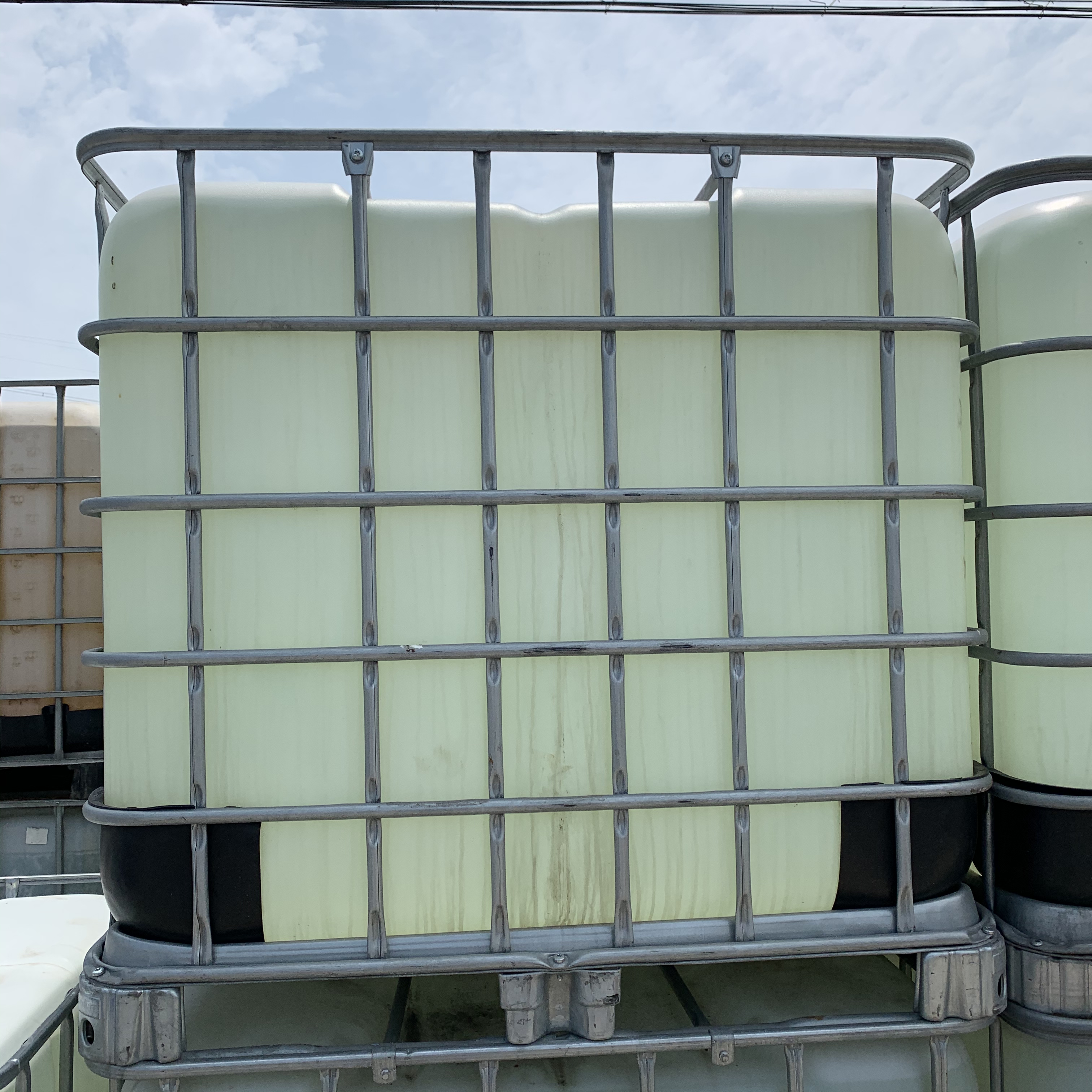
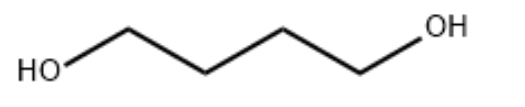
99.5% 1,4-Butanediol

99.5% 1,4-Butanediol

Contact Us

  • Category

    Polyol Series

  • Describe

    1,4-Butanediol (BDO) is an important organic chemical raw material and solvent, widely used in the synthesis of engineering plastics, elastic fibers, polyurethanes, plasticizers and other products, and can also be used in the pharmaceutical and coating industries.

  • Cas No.

    110-63-4

  • Purity

    99.5%

  • Synonym(s)

    BDO

Physical and chemical properties

  • 1. Chemical Identity
    • Chemical Name: 1,4-Butanediol
    • IUPAC Name: Butane-1,4-diol
    • Synonyms: BDO, 1,4-Butylene glycol, Tetramethylene glycol
    • CAS Number: 110-63-4
    • EC Number: 203-786-5
    • Molecular Formula: C4​H10​O2​
    • Molecular Weight: 90.12 g/mol
  • 2. Physical Properties
    • Appearance: Clear, colorless, viscous, hygroscopic liquid. May be a waxy solid at cooler ambient temperatures.
    • Odor: Practically odorless.
    • Melting Point: 20 °C (68 °F)
    • Boiling Point: 228-230 °C (442-446 °F) at 1013 hPa
    • Density: 1.017 g/cm³ at 20 °C
    • Solubility:
    • In Water: Miscible (soluble in all proportions).
    • In Organic Solvents: Soluble in alcohol and acetone. Sparingly soluble in diethyl ether.
    • Vapor Pressure: <0.01 hPa at 20 °C
    • Vapor Density: 3.1 (Air = 1)
    • Viscosity: ~72 mPa·s at 25 °C
  • 3. Chemical Properties and Stability
    • Stability: Stable under normal conditions. Hygroscopic (absorbs moisture from the air).
    • Incompatibilities: Incompatible with strong oxidizing agents, strong acids, acid chlorides, and acid anhydrides.
    • Hazardous Decomposition Products: Combustion may produce toxic fumes of carbon monoxide (CO) and carbon dioxide (CO2​).
  • 4. Other Key Data
    • Flash Point: 135 °C (275 °F) - Closed cup
    • Autoignition Temperature: 350 °C (662 °F)
    • Explosive Limits:
    • Lower Explosive Limit (LEL): 1.95 % (V)
    • Upper Explosive Limit (UEL): 18.3 % (V)
    • Refractive Index (n20/D): ~1.446
 

Application

1.1,4-Butanediol is mainly used to produce tetrahydrofuran (THF), which is further made into PTMEG, which is a key raw material for the production of high-elastic spandex and is widely used in textile fields such as sportswear and swimwear.

2. Used to produce γ-butyrolactone, BDO is converted into γ-butyrolactone (GBL), and further synthesized into N-methylpyrrolidone (NMP), becoming the core solvent of lithium battery positive electrode binder (PVDF).

3. Used to produce degradable plastic polybutylene terephthalate (PBT). As one of the five major engineering plastics, PBT is used in high temperature and corrosion resistant scenes such as electronic appliances and automotive parts, and can also be used as a raw material for other degradable plastics (such as PBAT and PBS).

4.1,4-Butanediol can be used as a raw material for polyester resin, and can also be used as a chain extender to adjust the hardness and elasticity of PU. It is used to produce soft polyurethane foam plastics, adhesives, and polyurethane elastomers. It is widely used in mattresses, sofas, car seats, soles, industrial tires, and seals.

5. Esters synthesized from 1,4-butanediol and various acids are good plasticizers for cellulose, polyvinyl chloride, polyacrylates and polyesters.

6. In medicine, BDO is used as an intermediate for the synthesis of sedatives, anesthetics, vitamin B6, anticancer drugs and other drugs.

7. In cosmetics, it is used as a moisturizer and carrier of low-irritation ingredients.

8. Used in coatings, inks, PVC plasticizers and electroplating brighteners.

9. Softener and water absorbent for gelatin, and processing agent for producing paper such as cellophane.

Safety Information

  • This information is a summary based on the Globally Harmonized System of Classification and Labelling of Chemicals (GHS).
    • 1. GHS Classification
      • Acute Toxicity, Oral (Category 4)
      • Specific Target Organ Toxicity — Single Exposure (Category 3), Central Nervous System
    • 2. GHS Label Elements
      • Pictogram:
        • Exclamation Mark (GHS07)
      • Signal Word: Warning
      • Hazard Statements (H-Statements):
        • H302: Harmful if swallowed.
        • H336: May cause drowsiness or dizziness.
      • Precautionary Statements (P-Statements):
      • Prevention:
        • P261: Avoid breathing dust/fume/gas/mist/vapors/spray.
        • P264: Wash skin thoroughly after handling.
        • P270: Do not eat, drink or smoke when using this product.
        • P271: Use only outdoors or in a well-ventilated area.
      • Response:
        • P301 + P312: IF SWALLOWED: Call a POISON CENTER or doctor/physician if you feel unwell.
        • P304 + P340: IF INHALED: Remove person to fresh air and keep comfortable for breathing.
        • P312: Call a POISON CENTER or doctor/physician if you feel unwell.
        • P330: Rinse mouth.
      • Storage:
        • P403 + P233: Store in a well-ventilated place. Keep container tightly closed.
        • P405: Store locked up.
      • Disposal:
        • P501: Dispose of contents/container to an approved hazardous waste disposal plant.
    • 3. Summary of Primary Hazards
      • Health Hazards: Harmful if swallowed. Ingestion can cause significant central nervous system (CNS) depression, leading to effects such as drowsiness, dizziness, nausea, and in severe cases, unconsciousness, respiratory depression, and death. It is metabolized in the body to gamma-hydroxybutyric acid (GHB), a controlled substance with psychoactive effects. This makes it a substance of abuse.
      • Fire Hazards: Combustible liquid. It has a high flash point and is not considered a fire hazard under normal conditions, but it will burn if exposed to a strong ignition source and preheated.
      • Environmental Hazards: While not classified as hazardous to the aquatic environment, large spills should be contained and prevented from entering waterways.

Follow Us
Get Updates

Contact Us