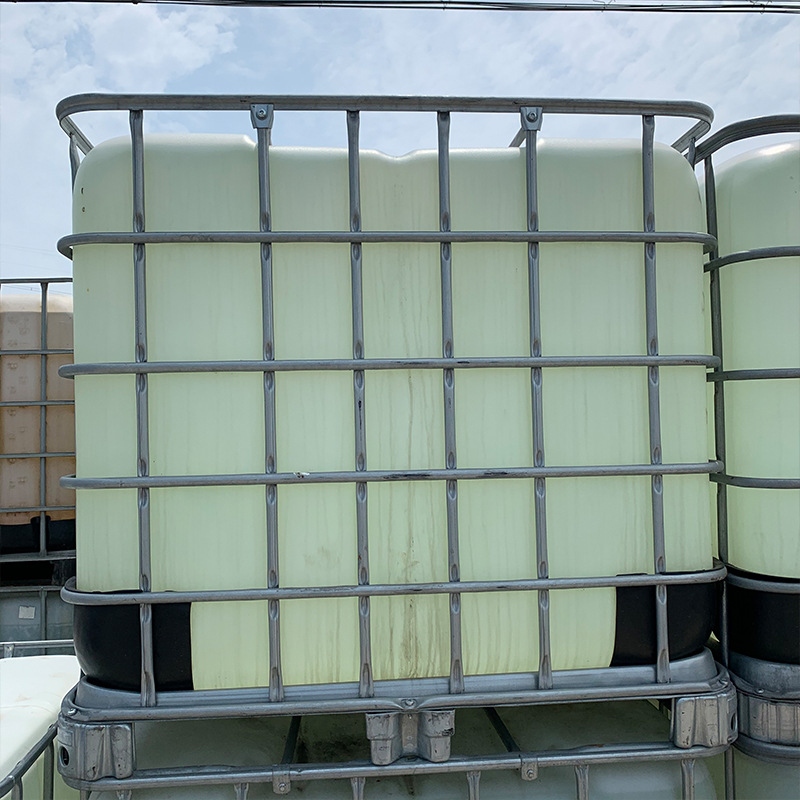
99.5% Diethylene glycol

99.5% Diethylene glycol

Contact Us

  • Category

    Polyol Series

  • Describe

    Diethylene glycol (DEG) is a colorless, odorless, viscous organic compound belonging to the diol class and is commonly used as a solvent, plasticizer and industrial raw material.

  • Cas No.

    111-46-6

  • Purity

    99.5%

  • Synonym(s)

    DEG

Physical and chemical properties

  • 1. Chemical Identity
    • Chemical Name: Diethylene glycol
    • IUPAC Name: 2-(2-Hydroxyethoxy)ethan-1-ol
    • Synonyms: DEG, 2,2'-Oxydiethanol, Diglycol, Ethylene diglycol
    • CAS Number: 111-46-6
    • EC Number: 203-872-2
    • Molecular Formula: C4​H10​O3​
    • Molecular Weight: 106.12 g/mol
  • 2. Physical Properties
    • Appearance: Clear, colorless, viscous, hygroscopic liquid.
    • Odor: Practically odorless.
    • Taste: Sweet taste. (Note: Highly toxic, should never be ingested).
    • Melting Point: -10.5 °C (13.1 °F)
    • Boiling Point: 244-245 °C (471-473 °F) at 1013 hPa
    • Density: 1.118 g/cm³ at 20 °C
    • Solubility:
    • In Water: Miscible (soluble in all proportions).
    • In Organic Solvents: Soluble in alcohol, ether, acetone, and ethylene glycol. Insoluble in benzene and carbon tetrachloride.
    • Vapor Pressure: <0.01 hPa at 20 °C
    • Vapor Density: 3.66 (Air = 1)
    • Viscosity: 35.7 mPa·s at 20 °C
  • 3. Chemical Properties and Stability
    • Stability: Stable under normal conditions. Hygroscopic (absorbs moisture from the air).
    • Incompatibilities: Incompatible with strong oxidizing agents (e.g., potassium permanganate, perchloric acid), strong acids, and strong bases.
    • Hazardous Decomposition Products: Combustion may produce toxic fumes of carbon monoxide (CO) and carbon dioxide (CO2​).
  • 4. Other Key Data
    • Flash Point: 138 °C (280 °F) - Closed cup
    • Autoignition Temperature: 229 °C (444 °F)
    • Explosive Limits:
    • Lower Explosive Limit (LEL): 1.9 % (V)
    • Upper Explosive Limit (UEL): 12.3 % (V)
    • Refractive Index (n20/D): ~1.447
 

Application

1. Polyester and polyurethane: used to synthesize unsaturated polyester resin, polyurethane, polyester polyol, polyether polyol, used in plastics, fibers and foam materials, resin plasticizers, such as enhancing the flexibility of plastics (such as PVC), used to make rubber, polyurethane foam, polyester resin, fiber glass.

2. Plasticizer: manufacture phthalate plasticizers to improve the flexibility of plastics.

3. Dehydrating agent: used for natural gas dehydration and gas purification, absorbing moisture and acidic gases (such as H₂S, CO₂).

4. Textile wetting agent and auxiliaries: used as fiber wetting agent in dyeing and finishing process, improving processing effect, used as textile softener.

5. Used in synthetic lubricants and brake fluids to provide stable performance.

6. Paint and ink: as a high boiling point solvent, it is widely used in the production of paints, inks and resins, and effectively dissolves organic matter such as dyes and resins.

Safety Information

  • This information is a summary based on the Globally Harmonized System of Classification and Labelling of Chemicals (GHS).
    • 1. GHS Classification
      • Acute Toxicity, Oral (Category 4)
      • Specific Target Organ Toxicity — Repeated Exposure (Category 2), Kidneys & Liver
    • 2. GHS Label Elements
      • Pictograms:
        • Exclamation Mark (GHS07)
        • Health Hazard (GHS08)
      • Signal Word: Warning
      • Hazard Statements (H-Statements):
        • H302: Harmful if swallowed.
        • H373: May cause damage to organs (kidneys, liver) through prolonged or repeated exposure.
      • Precautionary Statements (P-Statements):
      • Prevention:
        • P260: Do not breathe dust/fume/gas/mist/vapors/spray.
        • P264: Wash skin thoroughly after handling.
        • P270: Do not eat, drink or smoke when using this product.
      • Response:
        • P301 + P312: IF SWALLOWED: Call a POISON CENTER or doctor/physician if you feel unwell.
        • P314: Get medical advice/attention if you feel unwell.
        • P330: Rinse mouth.
      • Storage:
        • Store away from incompatible materials.
      • Disposal:
        • P501: Dispose of contents/container to an approved hazardous waste disposal plant.
    • 3. Summary of Primary Hazards
      • Health Hazards: Harmful if swallowed. Ingestion is a medical emergency and has been the cause of several mass poisonings when it has been illegally substituted for glycerin in consumer products. The sweet taste makes it particularly dangerous. Metabolism in the body produces toxic compounds that can cause severe kidney and liver damage (renal and hepatic toxicity), as well as central nervous system depression and metabolic acidosis.
      • Fire Hazards: Combustible liquid. Not highly flammable at room temperature but can be ignited if preheated.
      • Environmental Hazards: While readily biodegradable, large spills can be harmful to aquatic life.

Follow Us
Get Updates

Contact Us