99.5% 2-Chloro-6-nitrotoluene

99.5% 2-Chloro-6-nitrotoluene

Contact Us

  • Category

    o-Toluidine series

  • Describe

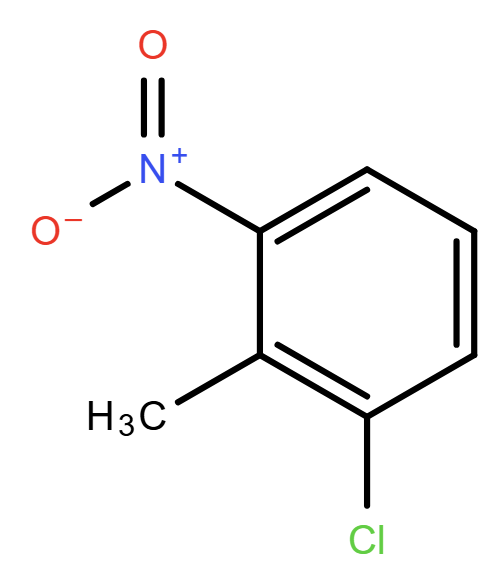
    2-Chloro-6-nitrotoluene is an aromatic compound containing methyl, nitro and chloro substituents. It is an important fine chemical intermediate and is widely used in dyes, medicines, pesticides and other fields.

  • Cas No.

    83-42-1

  • Purity

    99.5%

  • Synonym(s)

Physical and chemical properties

  • 1. Chemical Identity
    • Chemical Name: 2-Chloro-6-nitrotoluene
    • IUPAC Name: 1-Chloro-2-methyl-3-nitrobenzene
    • Synonyms: 6-Chloro-2-nitrotoluene
    • CAS Number: 83-42-1
    • EC Number: 201-476-8
    • Molecular Formula: C7H6ClNO2
    • Molecular Weight: 171.58 g/mol
  • 2. Physical Properties
    • Appearance: White to yellow or light brown crystalline solid or powder.
    • Odor: Odorless.
    • Melting Point: 33-37 °C (91-99 °F)
    • Boiling Point: 238-241 °C (460-466 °F) at 1013 hPa
    • Density: 1.32 g/cm³ at 20 °C
    • Solubility:
    • In Water: 92 mg/L at 20 °C (Insoluble)
    • In Organic Solvents: Soluble in alcohol and methanol.
    • Vapor Pressure: 0.4 hPa at 50 °C
  • 3. Chemical Properties and Stability
    • Stability: Stable under normal temperatures and pressures.
    • Incompatibilities: Incompatible with strong oxidizing agents and strong bases.
    • Hazardous Decomposition Products: Upon combustion, may produce toxic and corrosive fumes of nitrogen oxides (NOx), carbon monoxide (CO), carbon dioxide (CO2), and hydrogen chloride (HCl) gas.
  • 4. Other Key Data
    • Flash Point: 125 °C (257 °F) - Closed cup
    • Autoignition Temperature: 435 °C (815 °F)
 

Application

1. Applied to pesticides, known pesticide intermediates and finished products using 2-chloro-6-nitrotoluene as raw material include 3-chloro-2-methylaniline CAS number 87-60-5, intermediates of the herbicide quinclorac, and cyclosulfonone.

2. Applied to dyes, the known dye intermediates and finished products using 2-chloro-6-nitrobenzene as raw materials include 2,6-dichlorobenzaldehyde and 2-chloro-6-nitrobenzaldehyde.

3. Applied in medicine, the known pharmaceutical intermediates and finished products using 2-chloro-6-nitrotoluene as raw materials include flubenzuron, ethyl 4-chloro-2-indolecarboxylate, 4-chloroindoline, and 3-chloro-2-methylbenzoic acid.

Safety Information

  • This information is a summary based on the Globally Harmonized System of Classification and Labelling of Chemicals (GHS).
  • 1. GHS Classification
    • Acute Toxicity, Oral (Category 4)
    • Acute Toxicity, Dermal (Category 4)
    • Skin Irritation (Category 2)
    • Eye Irritation (Category 2A)
    • Specific Target Organ Toxicity — Single Exposure (Category 3), Respiratory System
    • Hazardous to the Aquatic Environment, Chronic Hazard (Category 2)
  • 2. GHS Label Elements
    • Pictograms:
      • Exclamation Mark (GHS07)
      • Environment (GHS09)
    • Signal Word: Warning
    • Hazard Statements (H-Statements):
      • H302 + H312: Harmful if swallowed or in contact with skin.
      • H315: Causes skin irritation.
      • H319: Causes serious eye irritation.
      • H335: May cause respiratory irritation.
      • H411: Toxic to aquatic life with long lasting effects.
    • Precautionary Statements (P-Statements):
    • Prevention:
      • P261: Avoid breathing dust/fume/gas/mist/vapors/spray.
      • P273: Avoid release to the environment.
      • P280: Wear protective gloves, protective clothing, and eye protection.
    • Response:
      • P302 + P352: IF ON SKIN: Wash with plenty of soap and water.
      • P305 + P351 + P338: IF IN EYES: Rinse cautiously with water for several minutes. Remove contact lenses, if present and easy to do. Continue rinsing.
      • P312: Call a POISON CENTER or doctor/physician if you feel unwell.
      • P391: Collect spillage.
    • Storage:
      • P403 + P233: Store in a well-ventilated place. Keep container tightly closed.
    • Disposal:
      • P501: Dispose of contents/container to an approved hazardous waste disposal plant.
  • 3. Summary of Primary Hazards
    • Health Hazards: Harmful if swallowed or if it comes into contact with the skin. Causes irritation to skin, eyes, and the respiratory system.
    • Environmental Hazards: Toxic to aquatic life with long-lasting adverse effects. Must be prevented from entering drains and waterways.
    • Fire Hazards: Combustible solid. Emits toxic fumes under fire conditions.

Follow Us
Get Updates

Contact Us