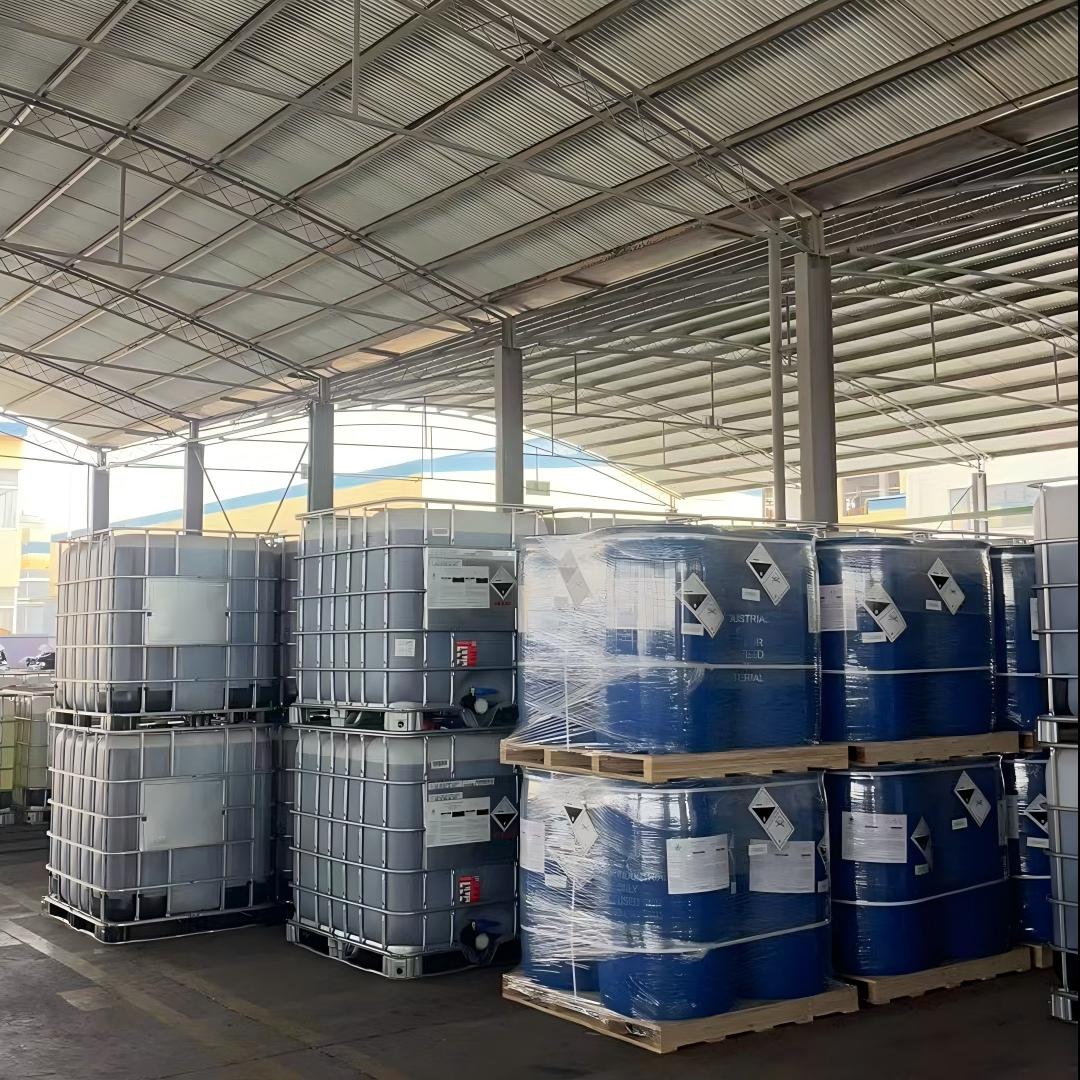
99.5% m-Toluidine

99.5% m-Toluidine

Contact Us

  • Category

    o-Toluidine series

  • Describe

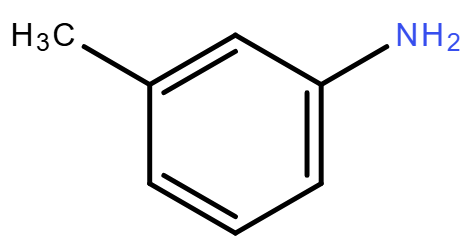
    m-Toluidine is an aromatic amine organic compound with the chemical formula C₇H₉N. It is one of the three isomers of methylaniline.

  • Cas No.

    108-44-1

  • Purity

    99.5%

  • Synonym(s)

    m-Toluidine

Physical and chemical properties

  • 1. Chemical Identity
    • Chemical Name: m-Toluidine
    • IUPAC Name: 3-Methylaniline
    • Synonyms: 3-Aminotoluene, m-Aminotoluene, 1-Amino-3-methylbenzene
    • CAS Number: 108-44-1
    • EC Number: 203-583-1
    • Molecular Formula: C7H9N
    • Molecular Weight: 107.15 g/mol
  • 2. Physical Properties
    • Appearance: Colorless to pale yellow or brownish liquid. Darkens upon exposure to air and light.
    • Odor: Aniline-like, aromatic odor.
    • Melting Point: -30 °C (-22 °F)
    • Boiling Point: 203-204 °C (397-399 °F) at 1013 hPa
    • Density: 0.989 g/cm³ at 20 °C
    • Solubility:
    • In Water: 9 g/L at 20 °C (Slightly soluble)
    • In Organic Solvents: Soluble in ethanol, diethyl ether, and acetone. Soluble in dilute acids.
    • Vapor Pressure: 0.2 hPa at 20 °C
    • Vapor Density: 3.7 (Air = 1)
  • 3. Chemical Properties and Stability
    • Stability: Stable under recommended storage conditions. May discolor on exposure to air and light.
    • Incompatibilities: Incompatible with strong oxidizing agents, acids, acid chlorides, acid anhydrides, and chloroformates.
    • Hazardous Decomposition Products: Combustion may produce toxic fumes of carbon monoxide (CO), carbon dioxide (CO2), and nitrogen oxides (NOx).
  • 4. Other Key Data
    • Flash Point: 86 °C (187 °F) - Closed cup
    • Autoignition Temperature: 480 °C (896 °F)
    • Refractive Index (n20/D): 1.568
 

Certificates Of Analysis

Application

1. Applied in dyes. Known dye intermediates and finished products using m-toluidine as raw material include vat dyes, azo dyes, such as N,N-diethyl m-toluidine, N-ethyl m-toluidine, Reactive Yellow X-R, and Cationic Violet 2RL

2. Applied in other products such as gasoline antiknock agents

Safety Information

  • This information is a summary based on the Globally Harmonized System of Classification and Labelling of Chemicals (GHS).
  • 1. GHS Classification
    • Acute Toxicity, Oral (Category 3)
    • Acute Toxicity, Dermal (Category 3)
    • Acute Toxicity, Inhalation (Category 3)
    • Specific Target Organ Toxicity — Repeated Exposure (Category 2) (Affects blood)
    • Hazardous to the Aquatic Environment, Acute Hazard (Category 1)
    • Hazardous to the Aquatic Environment, Chronic Hazard (Category 1)
  • 2. GHS Label Elements
    • Pictograms:
      • Skull and Crossbones (GHS06)
      • Health Hazard (GHS08)
      • Environment (GHS09)
    • Signal Word: Danger
    • Hazard Statements (H-Statements):
      • H301 + H311 + H331: Toxic if swallowed, in contact with skin or if inhaled.
      • H373: May cause damage to organs (blood) through prolonged or repeated exposure.
      • H410: Very toxic to aquatic life with long-lasting effects.
    • Precautionary Statements (P-Statements):
    • Prevention:
      • P260: Do not breathe dust/fume/gas/mist/vapors/spray.
      • P273: Avoid release to the environment.
      • P280: Wear protective gloves, protective clothing, eye protection, and face protection.
    • Response:
      • P301 + P310: IF SWALLOWED: Immediately call a POISON CENTER or doctor/physician.
      • P302 + P352 + P312: IF ON SKIN: Wash with plenty of soap and water. Call a POISON CENTER or doctor/physician if you feel unwell.
      • P304 + P340 + P311: IF INHALED: Remove person to fresh air and keep comfortable for breathing. Call a POISON CENTER or doctor/physician.
      • P314: Get medical advice/attention if you feel unwell.
      • P391: Collect spillage.
    • Storage:
      • P405: Store locked up.
    • Disposal:
      • P501: Dispose of contents/container to an approved hazardous waste disposal plant.
  • 3. Summary of Primary Hazards
    • Health Hazards: Toxic by ingestion, inhalation, and skin absorption. The main effect of exposure is the formation of methemoglobin in the blood, which impairs the blood's ability to carry oxygen. This can cause cyanosis (a blue discoloration of the skin and lips), confusion, headache, and dizziness.
    • Environmental Hazards: Very toxic to aquatic life with long-lasting effects. It is critical to prevent its release into drains, soil, or waterways.
    • Fire Hazards: Combustible liquid. Emits toxic and irritating fumes of nitrogen oxides and carbon monoxide when heated to decomposition.

Follow Us
Get Updates

Contact Us