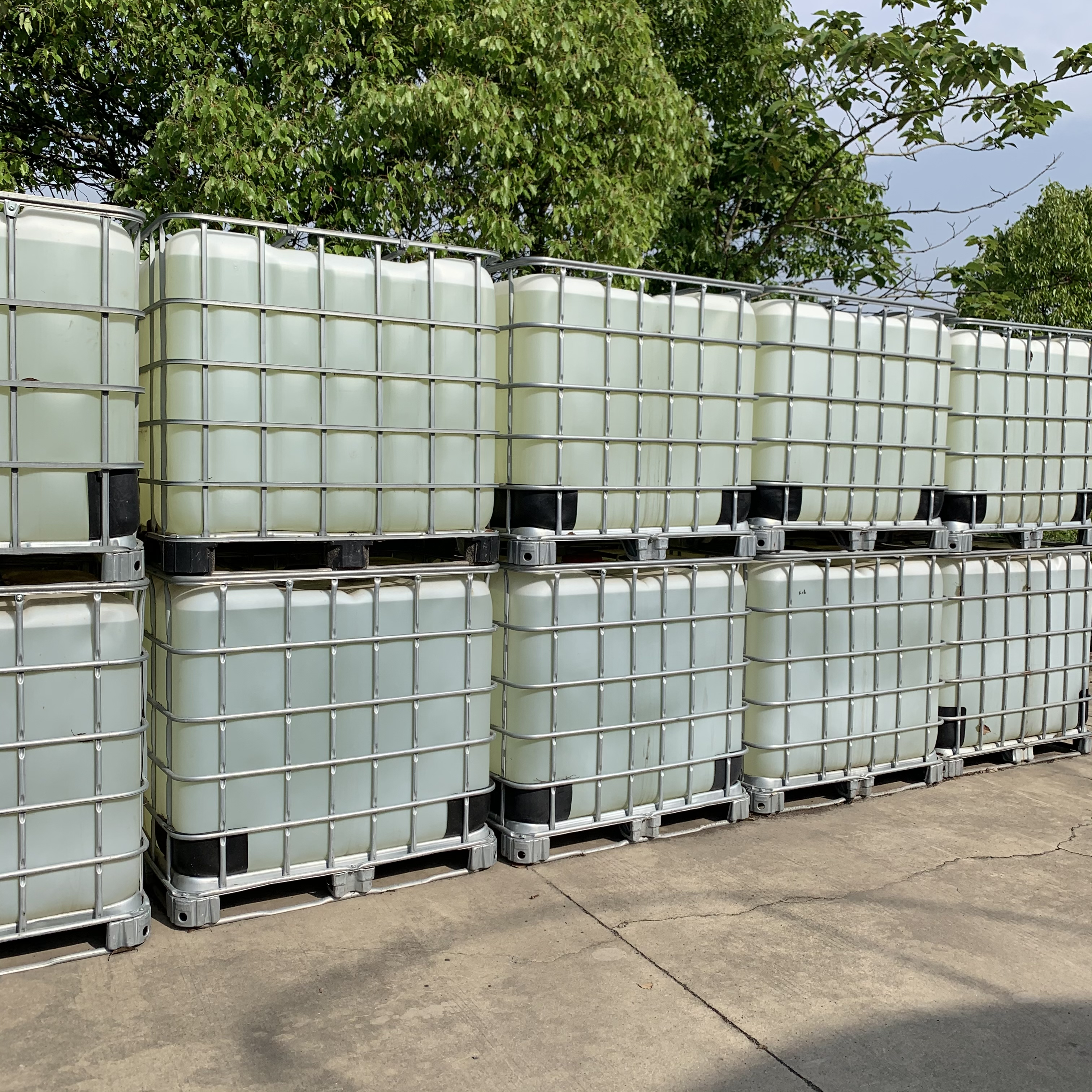
99.5% Diglycolamine

99.5% Diglycolamine

Contact Us

  • Category

    Environmentally friendly solvent series

  • Describe

    Diglycolamine (DEA) is an organic compound containing hydroxyl and amino groups. It belongs to the class of alcoholamine chemicals and has the dual chemical properties of amines and diols. It is widely used in the fields of surfactants, gas purification, cosmetics and pesticide intermediates.

  • Cas No.

    929-06-6

  • Purity

    99.5%

  • Synonym(s)

    DEA

Physical and chemical properties

  • 1. Chemical Identity
    • Chemical Name: Diglycolamine
    • IUPAC Name: 2-(2-Aminoethoxy)ethan-1-ol
    • Synonyms: DGA, 2-(2-Aminoethoxy)ethanol, Aminoethoxyethanol
    • CAS Number: 929-06-6
    • EC Number: 213-195-4
    • Molecular Formula: C4​H11​NO2​
    • Molecular Weight: 105.14 g/mol
  • 2. Physical Properties
    • Appearance: Clear, colorless to pale yellow, slightly viscous liquid.
    • Odor: Faint, amine-like odor.
    • Melting Point: -12.5 °C (9.5 °F)
    • Boiling Point: 223-224 °C (433-435 °F) at 1013 hPa
    • Density: 1.057 g/cm³ at 20 °C
    • Solubility:
    • In Water: Miscible (soluble in all proportions).
    • In Organic Solvents: Soluble in alcohols, ketones, and esters. Sparingly soluble in ether and hydrocarbons.
    • Vapor Pressure: <0.01 hPa at 20 °C
    • Vapor Density: 3.6 (Air = 1)
    • Viscosity: 39 mPa·s at 20 °C
  • 3. Chemical Properties and Stability
    • Stability: Stable under normal conditions. Hygroscopic and absorbs carbon dioxide from the air.
    • Incompatibilities: Incompatible with strong oxidizing agents and strong acids. Can react exothermically with acids. Corrosive to copper, brass, and bronze.
    • Hazardous Decomposition Products: Combustion may produce toxic fumes of carbon monoxide (CO), carbon dioxide (CO2​), and nitrogen oxides (NOx).
  • 4. Other Key Data
    • Flash Point: 127 °C (261 °F) - Closed cup
    • Autoignition Temperature: 355 °C (671 °F)
    • Refractive Index (n20/D): ~1.460
 

Application

1. Natural gas and refinery gas treatment Diglycolamine is widely used for dehydration, H₂S and CO₂ removal of natural gas and refinery gas, especially acidic gas. It can also be used as a wetting agent and a desulfurizer with obvious effects.

2. Compared with monoethanolamine (MEA), DEGAM has lower vapor pressure and low volatility, which can reduce solvent loss and is suitable for high temperature and high pressure environments.

3. Surfactants and personal care, emulsifiers/thickeners: used in shampoo, shower gel, cosmetics, etc. to adjust pH and enhance stability.

4. Synthesis of industrial chemicals, production of chelating agents, morpholine, EDTA chelating agents, polyurethane catalysts, etc.

5. Coatings and adhesives, used in water-based coatings and epoxy resin systems to improve adhesion.

6. Pharmaceuticals and pesticides, participate in the synthesis of antibiotics and anti-tumor drugs, and are used for emulsification or pH adjustment of herbicides and insecticides.

Safety Information

  • This information is a summary based on the Globally Harmonized System of Classification and Labelling of Chemicals (GHS).
    • 1. GHS Classification
      • Acute Toxicity, Dermal (Category 4)
      • Skin Corrosion (Category 1B)
      • Serious Eye Damage (Category 1)
      • Hazardous to the Aquatic Environment, Chronic Hazard (Category 3)
    • 2. GHS Label Elements
      • Pictograms:
        • Corrosion (GHS05)
      • Exclamation Mark (GHS07)
        • Signal Word: Danger
      • Hazard Statements (H-Statements):
        • H312: Harmful in contact with skin.
        • H314: Causes severe skin burns and eye damage.
        • H412: Harmful to aquatic life with long lasting effects.
      • Precautionary Statements (P-Statements):
      • Prevention:
        • P260: Do not breathe dust/fume/gas/mist/vapors/spray.
        • P273: Avoid release to the environment.
        • P280: Wear protective gloves, protective clothing, eye protection, and face protection.
      • Response:
        • P301 + P330 + P331: IF SWALLOWED: Rinse mouth. Do NOT induce vomiting.
        • P303 + P361 + P353: IF ON SKIN (or hair): Take off immediately all contaminated clothing. Rinse skin with water or shower.
        • P305 + P351 + P338: IF IN EYES: Rinse cautiously with water for several minutes. Remove contact lenses, if present and easy to do. Continue rinsing.
        • P310: Immediately call a POISON CENTER or doctor/physician.
        • P363: Wash contaminated clothing before reuse.
      • Storage:
        • P405: Store locked up.
      • Disposal:
        • P501: Dispose of contents/container to an approved hazardous waste disposal plant.
    • 3. Summary of Primary Hazards
      • Health Hazards: Corrosive. Causes severe burns to skin and irreversible damage to eyes upon contact. Harmful if absorbed through the skin. Inhalation of mist or vapor can cause irritation or burns to the respiratory tract.
      • Fire Hazards: Combustible liquid. Not considered a significant fire hazard under normal conditions due to its high flash point, but it will burn if ignited.
      • Environmental Hazards: Harmful to aquatic life with long-lasting effects. Release into the environment should be avoided.

Follow Us
Get Updates

Contact Us