
99.5% N-Methylmorpholine-N-oxide
Contact Us

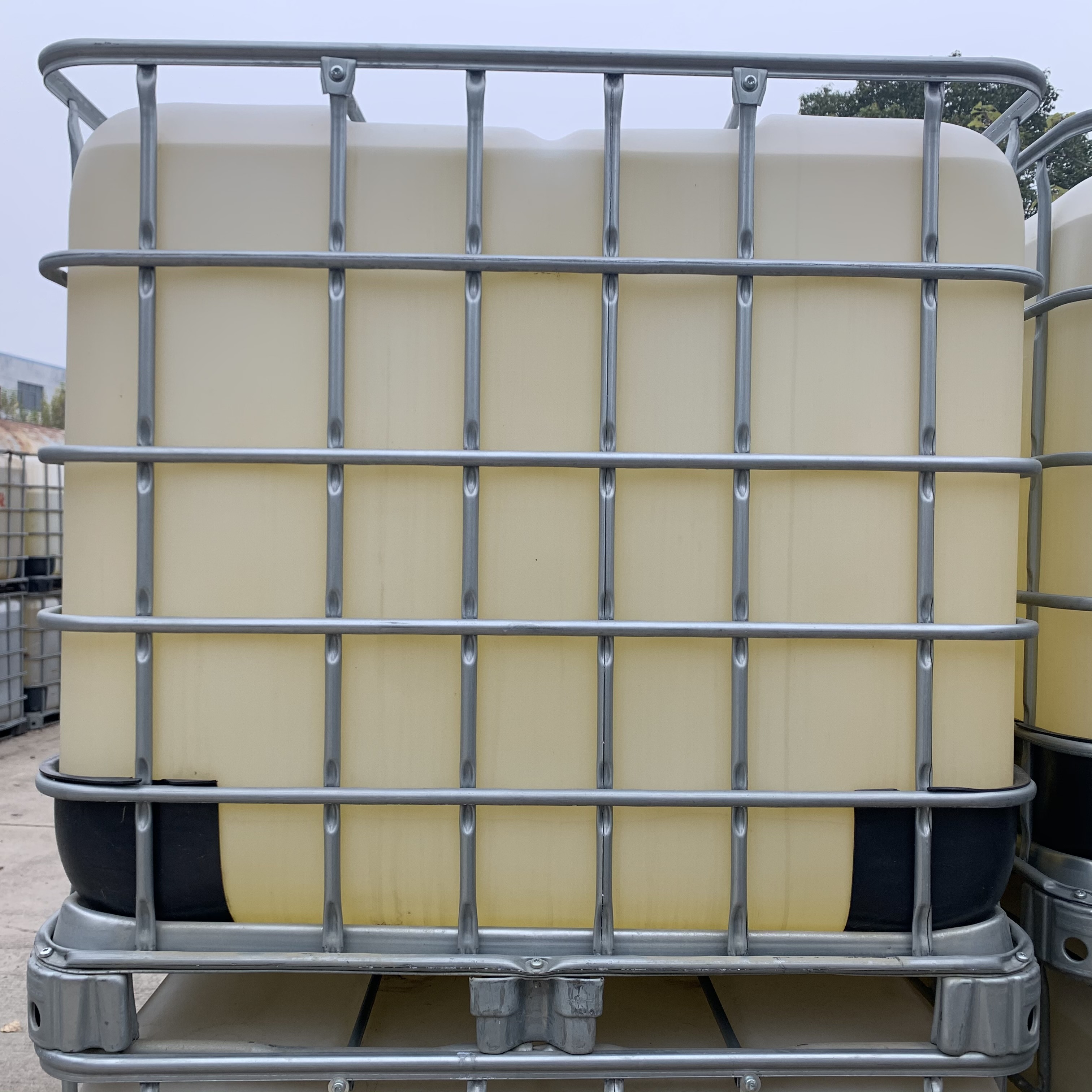
Environmentally friendly solvent series
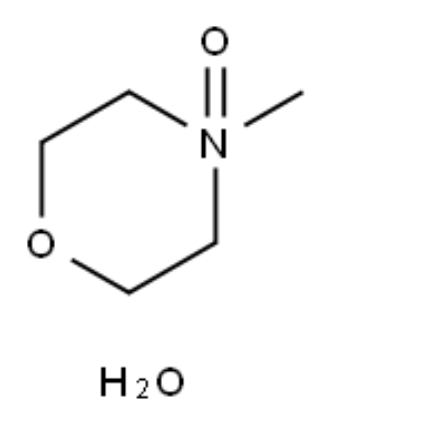
N-Methylmorpholine-N-oxide (NMMO) is an important heterocyclic amine oxide compound with the characteristics of strong polarity, good water solubility, and biodegradability. It is widely used in the preparation of solvent fibers (such as Lyocell fibers), organic oxidation reactions, dyes, medicines, and other fields.
80913-66-2
99.5%
NMMO
1. Oxidation reactions in organic synthesis
Sharpless asymmetric dihydroxylation reaction, used as a co-oxidant in combination with osmium tetroxide (OsO₄), regenerates OsO₄ to maintain the catalytic cycle, reduces the amount of expensive catalyst, and achieves efficient dihydroxylation of olefins.
TPAP catalytic oxidation reaction, in the tetrapropylammonium perruthenate (TPAP) system, NMO is used as a co-oxidant to promote the oxidation of alcohols to ketones or aldehydes, which is suitable for the synthesis of complex molecules (such as natural products).
2. Cellulose processing and regenerated materials
Lyocell fiber production, mixed solvents with water can dissolve cellulose, which is used in the manufacture of environmentally friendly regenerated cellulose fibers (such as Lyocell). This process is known for the recyclability of NMO and reduces chemical waste emissions.
It is used as a high-performance solvent for plant cellulose, which has the characteristics of non-toxicity and weak alkalinity, and is easily soluble in water, ethanol, etc.
NMMO is a high-grade tertiary amine oxide that can be used as a cellulose solvent. It is miscible with commonly used organic solvents and is particularly suitable for the production of regenerated cellulose fibers for wet spinning. Due to its "green" characteristics, NMO is widely used in the Lyocell process of cellulose fibers.
3. Drug synthesis and intermediates
It is used in the oxidation scenario of drug intermediates. In specific drug synthesis steps, it acts as a mild oxidant or auxiliary reagent to participate in the synthesis of hydroxyl or carbonyl structures in antibiotics or antiviral drugs.
Dissolution of hardened proteins, which can dissolve hard proteins present in animal tissues, especially those crystalline regions containing glycine and alanine residues. This dissolution effect is of great significance in protein research.
4. Other applications
Surfactants and solvents, as polar aprotic solvents, are used in certain reaction systems that require high polarity; they can also be used to prepare ionic liquids or surfactants. NMMO aqueous solutions are widely used as solvents in organic synthesis processes, especially in the foaming catalysts of polyester plastics, showing excellent performance.
In the field of electrochemistry, in battery electrolytes, it is used to improve ionic conductivity or stability.