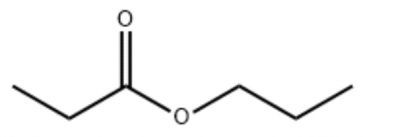
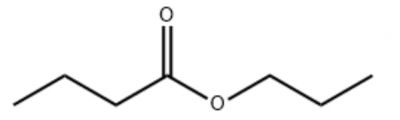
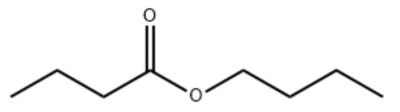
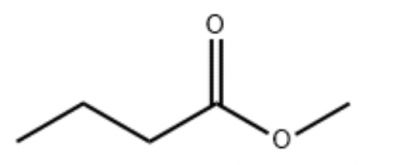
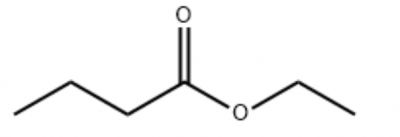
1.What are the special aroma and uses of n-propyl propionate and n-ethyl butyrate?
Our ester products are volatile compounds synthesized through esterification reactions, with low aroma threshold and high purity. For example, ethyl butyrate has a distinct pineapple aroma, while propyl propionate has a pineapple aroma. The short-chain fatty acids and alcohol groups in this type of molecular structure give it rapid volatility, which can efficiently bind to olfactory receptors and play a "top note" role in fragrance formulas.
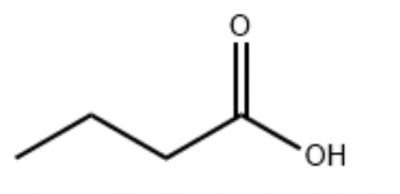
2. What fields are butylate mainly used in?
The products are widely used in food flavoring (such as baking flavors), beverage flavor enhancers (such as juice drinks), daily chemical flavors (fragrance for cleaning products) and industrial solvents. Take n-butyl butyrate as an example. Its cider aroma is often used in the preparation of candy and dairy flavor bases, and it is also used as an environmentally friendly solvent in the ink industry.
3.What is the difference between synthetic esters and natural esters? Are synthetic esters safe? Are they dangerous?
The chemical composition of synthetic esters and natural esters is the same. Natural esters also require the addition of chemicals and produce new impurities during chemical refining. In essence, the two are the same, and synthetic esters have fewer impurities and higher purity, so it is safe to use synthetic esters that meet quality standards.
4. What are the advantages of synthetic esters over natural fruit extracts?
Through GC-MS comparative analysis, the main aroma components of synthetic esters (such as the natural existence of methyl butyrate in strawberries) are more than 98% consistent with natural extracts. Compared with natural products, our products have the following characteristics: 1. High batch stability, no seasonal fluctuations; 2. No pesticide residues and microbial risks; 3. Directed modification of molecular structure (such as adjusting carbon chain length) to achieve customized aroma intensity.
5.What are Wencheng Chemical's core advantages in ester production?
Our competitiveness lies in:
1. Using continuous flow reactor technology, the esterification rate is increased to 99.2%, and the residual free acid content is ≤0.05%;
2. Equipped with an online infrared monitoring system to achieve precise fraction cutting in the molecular distillation stage;
3. Passing ISO 9001 and FSSC 22000 dual certification, and building a closed-loop wastewater pretreatment system (COD removal rate ≥90%);
4. Supporting customers to jointly develop functional derivatives (such as high-temperature resistant microencapsulated esters).