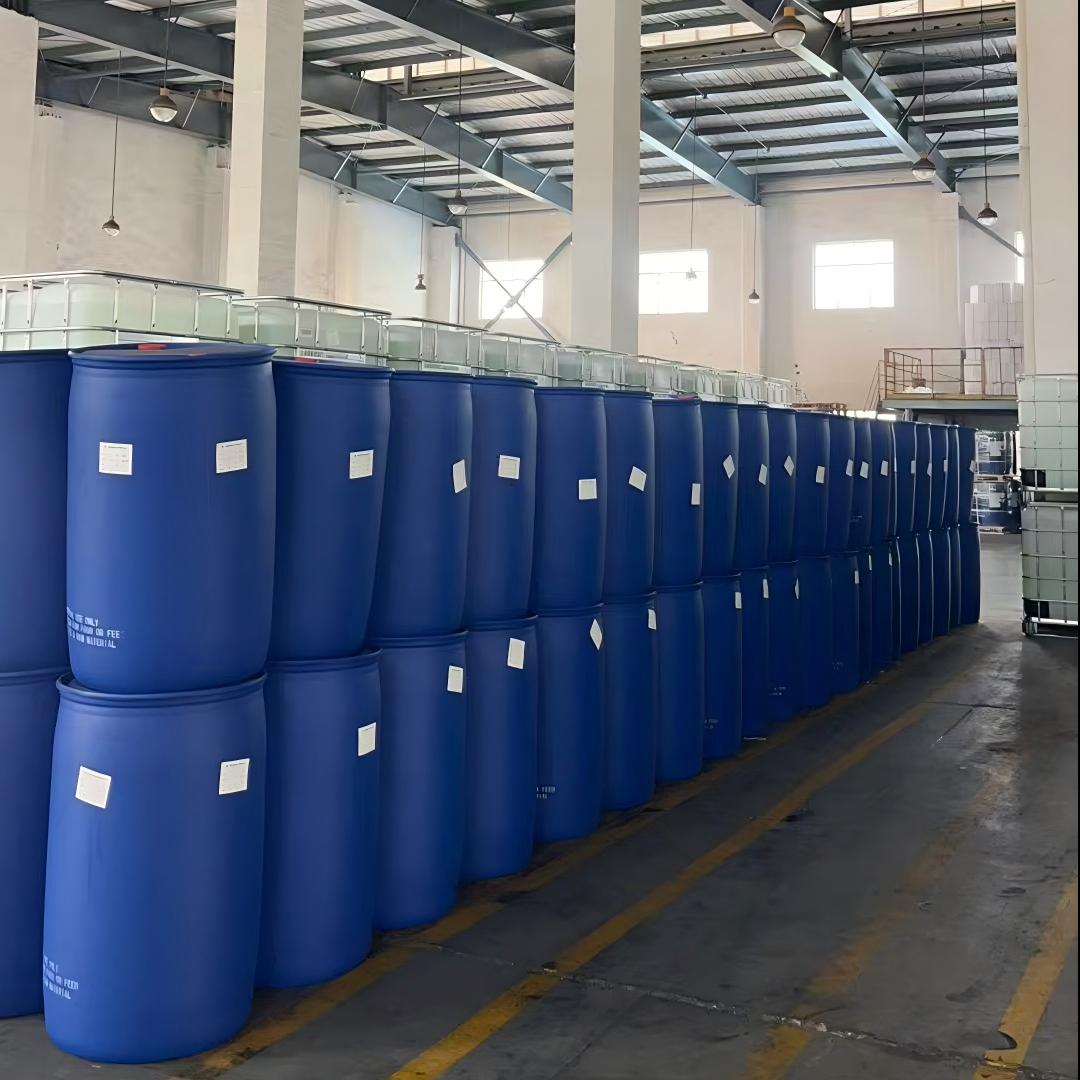
99.9% Tetrahydrofuran

99.9% Tetrahydrofuran

Contact Us

  • Category

    Polyol Series

  • Describe

    Tetrahydrofuran (THF) is a colorless, volatile, polar aprotic cyclic ether solvent (molecular formula C4H8O) with an ether-like odor. It is miscible with water and most organic solvents and is known as a universal solvent. It is widely used in organic synthesis, polymer dissolution and the pharmaceutical field.

  • Cas No.

    109-99-9

  • Purity

    99.9%

  • Synonym(s)

    THF

Physical and chemical properties

  • 1.1. Chemical Identity
    • Chemical Name: Tetrahydrofuran
    • IUPAC Name: Oxolane
    • Synonyms: THF; Diethylene oxide; 1,4-Epoxybutane; Tetramethylene oxide.
    • CAS Number: 109-99-9
    • EC Number: 203-726-8
    • Molecular Formula: $C_4H_8O$
    • Molecular Weight: 72.11 g/mol
    • Shutterstock
  • 1.2. Physical Properties
    • Appearance: Clear, colorless, volatile liquid.
    • Odor: Strong, ethereal, acetone-like odor.
    • Melting Point: -108.5 °C (-163.3 °F)
    • Boiling Point: 66 °C (150.8 °F) at 1013 hPa
    • Density: 0.889 g/cm³ at 20 °C
    • Solubility:
      • In Water: Miscible (completely soluble).
      • In Organic Solvents: Miscible with most organic solvents (e.g., ethanol, diethyl ether, acetone, benzene, chloroform).
    • Vapor Pressure: 170 hPa at 20 °C
    • Vapor Density: 2.49 (Air = 1)
    • Viscosity: 0.48 mPa·s at 20 °C
  • 1.3. Chemical Properties and Stability
    • Stability: Stable under recommended storage conditions. Note: Forms explosive peroxides upon exposure to air and light if not inhibited.
    • Incompatibilities: Incompatible with strong oxidizing agents, strong acids, strong bases, and oxygen. Reacts violently with lithium aluminum hydride and sodium aluminum hydride.
    • Hazardous Polymerization: May occur in the presence of cationic initiators.
    • Hazardous Decomposition Products: Thermal decomposition can produce carbon oxides ($CO, CO_2$) and potentially explosive peroxides.
  • 1.4. Other Key Data
    • Flash Point: -14.4 °C (6.1 °F) - Closed cup.
    • Autoignition Temperature: 321 °C (610 °F)
    • Explosive Limits: * Lower Explosive Limit (LEL): 2.0 % (V)
    • Upper Explosive Limit (UEL): 11.8 % (V)
    • Refractive Index: ~1.407
 

Application

1. THF is used in the production of polytetrahydrofuran ether glycol (PTMEG), a key raw material for manufacturing spandex (Lycra), elastomers, and polyurethane elastic fibers.
2. As an excellent solvent, it has extremely strong dissolving power, capable of dissolving most resins, rubbers, PVC, polyurethane, and coatings. It is also used for cleaning and removing paint from precision instruments.
3. It is used as a raw material in pharmaceutical and other organic synthesis processes to produce tetrahydrothiophene, 1,4-dichloroethane, 2,3-dichlorotetrahydrofuran, valproic acid, butyrolactone, and pyrrolidone, among others. In the pharmaceutical industry, it is used in the synthesis of dextromethorphan, rifemycin, progesterone, and some hormonal drugs. Hydrogen sulfide treatment produces tetrahydrothiophenol, which can be used as an odorant (identification additive) in fuel gases and is also a major solvent in the pharmaceutical industry.
4. It can be used as a chromatographic solvent (gel permeation chromatography), for flavoring natural gas, as an acetylene extraction solvent, and as a light stabilizer for polymer materials.

Safety Information

  • This information is a summary based on the Globally Harmonized System of Classification and Labelling of Chemicals (GHS).
  • 2.1. GHS Classification
    • Flammable Liquids (Category 2)
    • Acute Toxicity, Oral (Category 4)
    • Eye Irritation (Category 2A)
    • Carcinogenicity (Category 2)
    • Specific Target Organ Toxicity — Single Exposure (Category 3), Respiratory System irritation and Central Nervous System (Drowsiness/Dizziness).
  • 2.2. GHS Label Elements
    • Pictograms: Flame (GHS02), Exclamation Mark (GHS07), Health Hazard (GHS08)
    • Signal Word: Danger
    • Hazard Statements (H-Statements):
      • H225: Highly flammable liquid and vapor.
      • H302: Harmful if swallowed.
      • H319: Causes serious eye irritation.
      • H335: May cause respiratory irritation.
      • H336: May cause drowsiness or dizziness.
      • H351: Suspected of causing cancer.
  • Precautionary Statements (P-Statements):
    • Prevention:
      • P210: Keep away from heat, hot surfaces, sparks, open flames, and other ignition sources. No smoking.
      • P233: Keep container tightly closed.
      • P261: Avoid breathing vapors.
      • P280: Wear protective gloves, protective clothing, eye protection, and face protection.
    • Response:
      • P303 + P361 + P353: IF ON SKIN (or hair): Take off immediately all contaminated clothing. Rinse skin with water.
      • P305 + P351 + P338: IF IN EYES: Rinse cautiously with water for several minutes. Remove contact lenses, if present and easy to do. Continue rinsing.
      • P308 + P313: IF exposed or concerned: Get medical advice/attention.
    • Storage:
      • P403 + P235: Store in a well-ventilated place. Keep cool.
    • Disposal:
      • P501: Dispose of contents/container to an approved hazardous waste disposal plant.
  • 2.3. Summary of Primary Hazards
    • Fire Hazards: Highly flammable. Vapors can form explosive mixtures with air. Vapors are heavier than air and may travel to an ignition source and flash back.
    • Health Hazards: Harmful if swallowed. Causes serious eye irritation. High concentrations of vapor may cause headaches, dizziness, and respiratory irritation. Long-term exposure is suspected of causing cancer based on animal studies.
    • Special Warning: THF can form explosive peroxides during storage. Never distill THF to dryness; always test for peroxides before use, especially if the container has been open for more than six months.

Follow Us
Get Updates

Contact Us