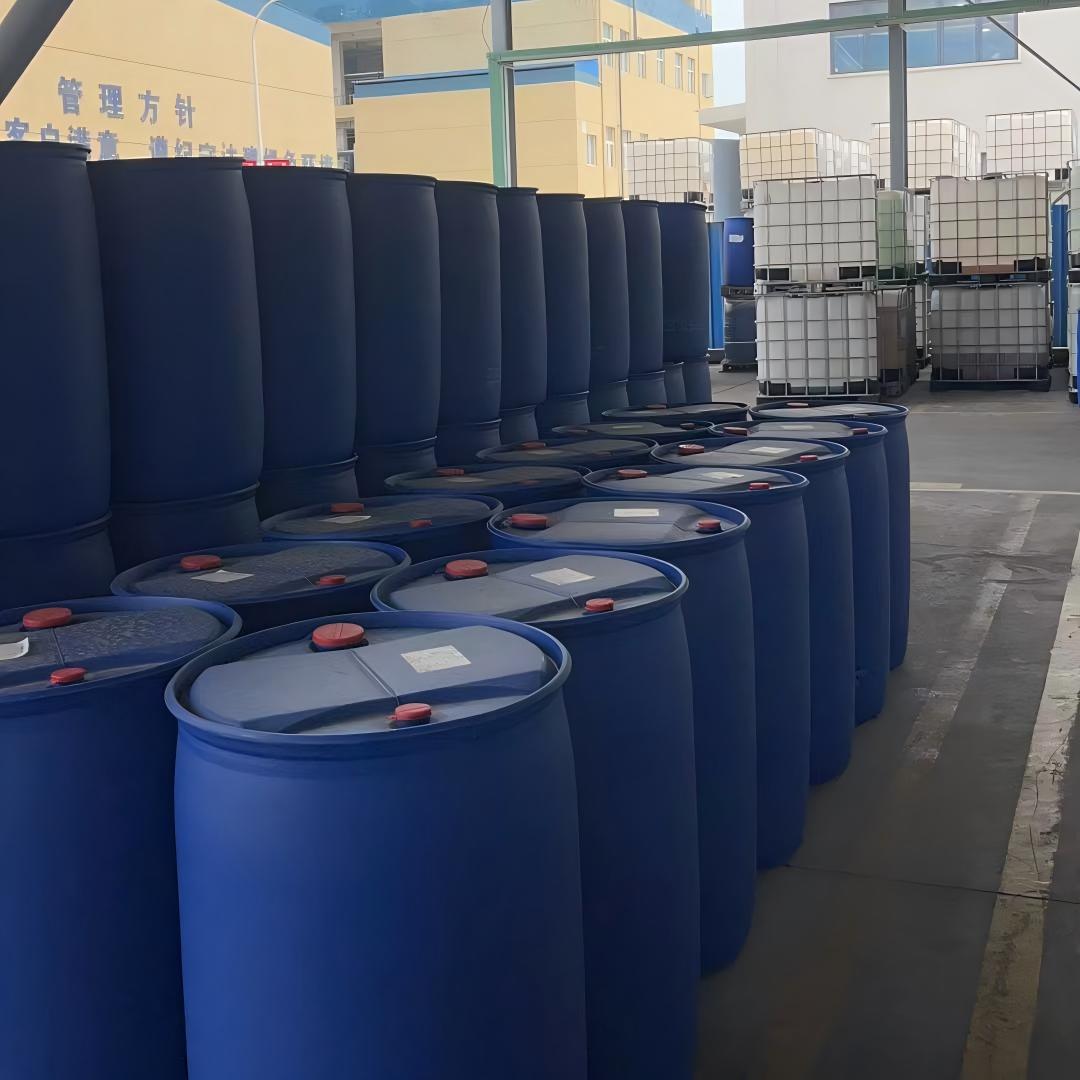
99.5% O-Toluidine

99.5% O-Toluidine

Contact Us

  • Category

    o-Toluidine series

  • Describe

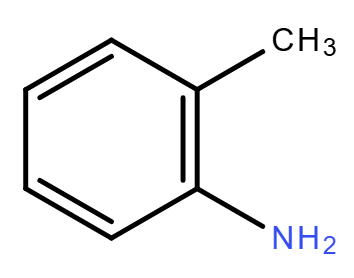
    o-Toluidine is an organic compound with the molecular formula C₇H₉N, which belongs to the aromatic amine compound.

  • Cas No.

    95-53-4

  • Purity

    99.5%

  • Synonym(s)

    o-Toluidine

Physical and chemical properties

  • 1. Chemical Identity
    • Chemical Name: o-Toluidine
    • IUPAC Name: 2-Methylaniline
    • Synonyms: 2-Aminotoluene, o-Aminotoluene, 1-Amino-2-methylbenzene
    • CAS Number: 95-53-4
    • EC Number: 202-429-0
    • Molecular Formula: C7H9N
    • Molecular Weight: 107.15 g/mol
  • 2. Physical Properties
    • Appearance: Colorless to pale yellow or reddish-brown liquid. Darkens upon exposure to air and light.
    • Odor: Aniline-like, aromatic odor.
    • Melting Point: -16 °C (3.2 °F)
    • Boiling Point: 200-201 °C (392-394 °F) at 1013 hPa
    • Density: 0.998 g/cm³ at 20 °C
    • Solubility:
    • In Water: 15 g/L at 20 °C (Slightly soluble)
    • In Organic Solvents: Soluble in ethanol, diethyl ether, and acetone. Soluble in dilute acids.
    • Vapor Pressure: 0.3 hPa at 20 °C
    • Vapor Density: 3.7 (Air = 1)
  • 3. Chemical Properties and Stability
    • Stability: Stable under recommended storage conditions. Becomes discolored on exposure to air and light.
    • Incompatibilities: Incompatible with strong oxidizing agents, acids, acid chlorides, acid anhydrides, and chloroformates.
    • Hazardous Decomposition Products: Combustion may produce toxic fumes of carbon monoxide (CO), carbon dioxide (CO2), and nitrogen oxides (NOx).
  • 4. Other Key Data
    • Flash Point: 85 °C (185 °F) - Closed cup
    • Autoignition Temperature: 480 °C (896 °F)
    • Refractive Index (n20/D): 1.572
 

Certificates Of Analysis

Application

1. Applied to pesticides, the known pesticide intermediates and original drugs using o-toluidine as raw materials include the fungicide tricyclazole, the insecticide borenazolin, diphenamide, the herbicide acetochlor, 2-methyl-6-ethylaniline, etc.;

2. Applied to dyes, the known dye intermediates and finished products using o-toluidine as raw materials include reactive dyes, acid dyes such as red-based RL, bright red-based G, maroon-based GBC, basic magenta, naphthol AS-D, basic dyes, N,N-diethyl-o-methylaniline, N-methyl-o-methylaniline, etc.

3. Applied in medicine, the known pharmaceutical intermediates using o-toluidine as raw materials include methaphone, heminal, prilocaine, cloxacillin sodium, bromhexine hydrochloride, 3,8-dimethylquinoline, 8-methylquinoline, 3-nitroindazole, N-o-tolylthiourea, 2-mercaptotoluene, etc.

4. Others include gasoline anti-riot agents, etc.

Safety Information

  • This information is a summary based on the Globally Harmonized System of Classification and Labelling of Chemicals (GHS).
  • 1. GHS Classification
    • Acute Toxicity, Oral (Category 3)
    • Acute Toxicity, Dermal (Category 3)
    • Acute Toxicity, Inhalation (Category 3)
    • Serious Eye Damage (Category 1)
    • Carcinogenicity (Category 1A)
    • Hazardous to the Aquatic Environment, Acute Hazard (Category 1)
    • Hazardous to the Aquatic Environment, Chronic Hazard (Category 1)
  • 2. GHS Label Elements
    • Pictograms:
      • Skull and Crossbones (GHS06)
      • Corrosion (GHS05)
      • Health Hazard (GHS08)
      • Environment (GHS09)
      • Signal Word: Danger
    • Hazard Statements (H-Statements):
      • H301 + H311 + H331: Toxic if swallowed, in contact with skin or if inhaled.
      • H318: Causes serious eye damage.
      • H350: May cause cancer.
      • H410: Very toxic to aquatic life with long-lasting effects.
    • Precautionary Statements (P-Statements):
    • Prevention:
      • P201: Obtain special instructions before use.
      • P202: Do not handle until all safety precautions have been read and understood.
      • P273: Avoid release to the environment.
      • P280: Wear protective gloves, protective clothing, eye protection, and face protection.
    • Response:
      • P301 + P310: IF SWALLOWED: Immediately call a POISON CENTER or doctor/physician.
      • P304 + P340 + P311: IF INHALED: Remove person to fresh air and keep comfortable for breathing. Call a POISON CENTER or doctor/physician.
      • P305 + P351 + P338 + P310: IF IN EYES: Rinse cautiously with water for several minutes. Remove contact lenses, if present and easy to do. Continue rinsing. Immediately call a POISON CENTER or doctor/physician.
      • P308 + P313: IF exposed or concerned: Get medical advice/attention.
      • P391: Collect spillage.
    • Storage:
      • P405: Store locked up.
    • Disposal:
      • P501: Dispose of contents/container to an approved hazardous waste disposal plant.
  • 3. Summary of Primary Hazards
    • Health Hazards: Toxic by ingestion, inhalation, and skin absorption. Contact can cause severe damage to the eyes. It is a known human carcinogen (specifically linked to bladder cancer). Exposure can cause anoxia by forming methemoglobin in the blood, leading to cyanosis (bluish skin), confusion, and dizziness.
    • Environmental Hazards: Very toxic to aquatic life with long-lasting effects. Must be prevented from entering drains and waterways.
    • Fire Hazards: Combustible liquid. Emits toxic fumes under fire conditions.

Follow Us
Get Updates

Contact Us