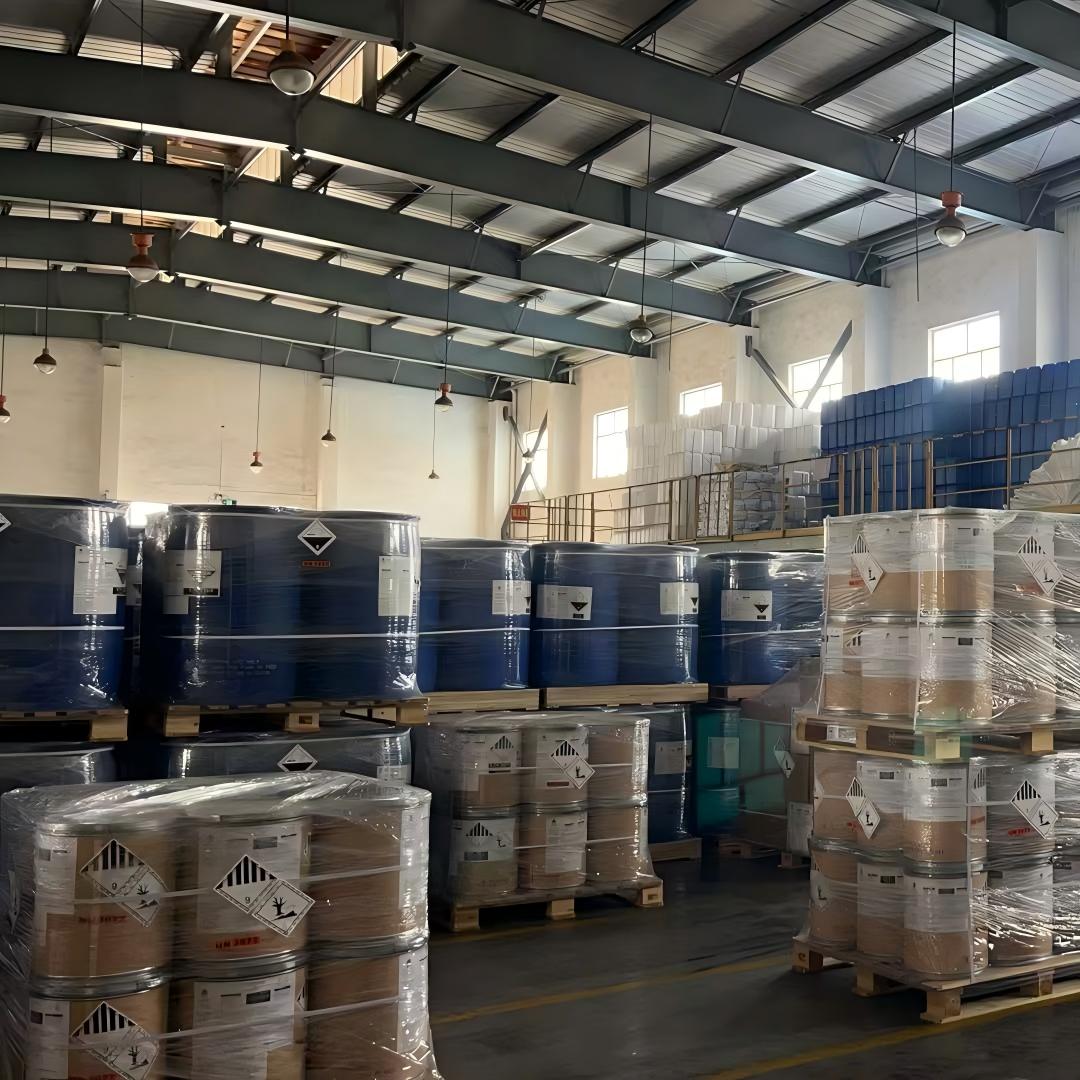
99.5% 3-Chloro-2-methylaniline

99.5% 3-Chloro-2-methylaniline

Contact Us

  • Category

    o-Toluidine series

  • Describe

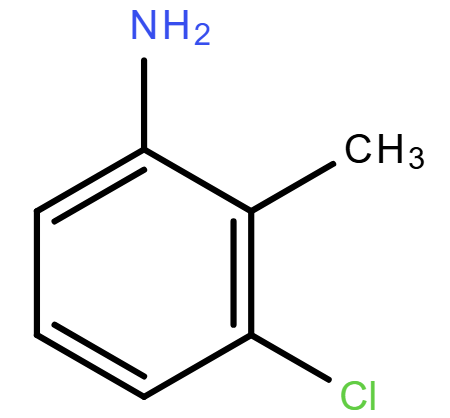
    3-Chloro-2-methylaniline is an aromatic amine compound containing a chlorine atom and a methyl substituent. It is one of the derivatives of aniline and is often used in the synthesis of medicines, pesticides and dyes.

  • Cas No.

    87-60-5

  • Purity

    99.5%

  • Synonym(s)

Physical and chemical properties

  • 1. Chemical Identity
    • Chemical Name: 3-Chloro-2-methylaniline
    • IUPAC Name: 3-Chloro-2-methylaniline
    • Synonyms: 2-Amino-6-chlorotoluene, 3-Chloro-o-toluidine
    • CAS Number: 87-60-5
    • EC Number: 201-756-3
    • Molecular Formula: C7H8ClN
    • Molecular Weight: 141.60 g/mol
  • 2. Physical Properties
    • Appearance: Colorless to light brown or amber liquid.
    • Odor: Not available / Unpleasant.
    • Melting Point: 2 °C (35.6 °F)
    • Boiling Point: 241 °C (466 °F) at 1013 hPa
    • Density: 1.151 g/cm³ at 20 °C
    • Solubility:
    • In Water: 0.6 g/L at 20 °C (Slightly soluble)
    • In Organic Solvents: Soluble in common organic solvents.
    • Vapor Pressure: 0.05 hPa at 20 °C
    • Vapor Density: 4.9 (Air = 1)
  • 3. Chemical Properties and Stability
    • Stability: Stable under recommended storage conditions.
    • Incompatibilities: Incompatible with strong oxidizing agents, acids, acid chlorides, and acid anhydrides.
    • Hazardous Decomposition Products: Combustion may produce toxic fumes of carbon monoxide (CO), carbon dioxide (CO2), nitrogen oxides (NOx), and hydrogen chloride (HCl) gas.
  • 4. Other Key Data
    • Flash Point: >110 °C (>230 °F) - Closed cup
    • Refractive Index (n20/D): 1.586
 

Application

1. Applied to pesticides, the known pesticide intermediates and finished products using 3-chloro-2-methylaniline as raw materials include the intermediates of the herbicide quinclorac, alachlor, 2,6-dichlorotoluene, the paddy field herbicide Echinacea, cyclosulfone, and 7-chloro-8-methylquinoline.

2. Applied to dyes, the known dye intermediates and finished products using 3-chloro-2-methylaniline as raw materials include Acid Red 249, Big Red Base TR, Chromophen AS, AS-BO, and AS-ITR.

3. Application in medicine. Known pharmaceutical intermediates and finished products using 3-chloro-2-methylaniline as raw materials include Sulfamethoxazole intermediates, clonisin, 3-chloro-2-methylbenzonitrile, 3-chloro-2-methylbenzoic acid, and 7-dimethylamino-4-methylcoumarin.

Safety Information

  • This information is a summary based on the Globally Harmonized System of Classification and Labelling of Chemicals (GHS).
  • 1. GHS Classification
    • Acute Toxicity, Oral (Category 3)
    • Acute Toxicity, Dermal (Category 3)
    • Acute Toxicity, Inhalation (Category 3)
    • Specific Target Organ Toxicity — Repeated Exposure (Category 2) (Affects blood)
    • Hazardous to the Aquatic Environment, Acute Hazard (Category 1)
    • Hazardous to the Aquatic Environment, Chronic Hazard (Category 1)
  • 2. GHS Label Elements
    • Pictograms:
      • Skull and Crossbones (GHS06)
      • Health Hazard (GHS08)
      • Environment (GHS09)
    • Signal Word: Danger
    • Hazard Statements (H-Statements):
      • H301 + H311 + H331: Toxic if swallowed, in contact with skin or if inhaled.
      • H373: May cause damage to organs (blood) through prolonged or repeated exposure.
      • H410: Very toxic to aquatic life with long-lasting effects.
    • Precautionary Statements (P-Statements):
    • Prevention:
      • P260: Do not breathe dust/fume/gas/mist/vapors/spray.
      • P273: Avoid release to the environment.
      • P280: Wear protective gloves, protective clothing, and eye protection.
    • Response:
      • P301 + P310: IF SWALLOWED: Immediately call a POISON CENTER or doctor/physician.
      • P302 + P352 + P312: IF ON SKIN: Wash with plenty of soap and water. Call a POISON CENTER or doctor/physician if you feel unwell.
      • P311: Call a POISON CENTER or doctor/physician.
      • P391: Collect spillage.
    • Storage:
      • P405: Store locked up.
    • Disposal:
      • P501: Dispose of contents/container to an approved hazardous waste disposal plant.
  • 3. Summary of Primary Hazards
    • Health Hazards: Toxic by all routes of exposure (ingestion, inhalation, and skin absorption). A primary hazard is the formation of methemoglobin, which reduces the oxygen-carrying capacity of the blood, leading to cyanosis (bluish skin), confusion, and headache.
    • Environmental Hazards: Very toxic to aquatic life with long-lasting effects. It is critical to prevent its release into the environment.
    • Fire Hazards: Combustible liquid. Emits toxic and corrosive fumes under fire conditions.

Follow Us
Get Updates

Contact Us