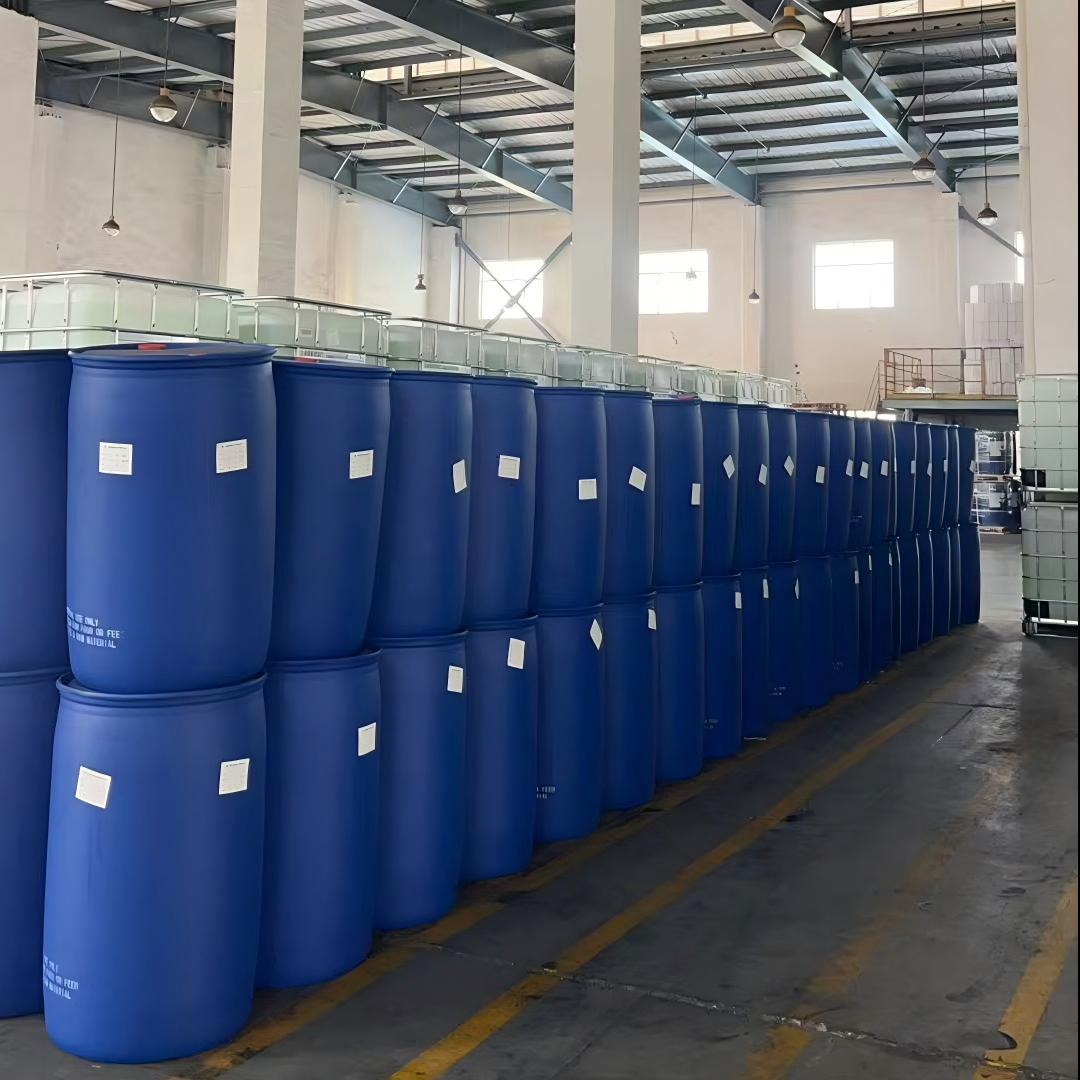
100% Benzenesulfonic acid, 2-amino-5-methyl

100% Benzenesulfonic acid, 2-amino-5-methyl

Contact Us

  • Category

    o-Toluidine series

  • Describe

    2-Amino-5-methylbenzenesulfonic acid is a white crystalline powder, an aromatic organic intermediate soluble in water and ethanol, mainly used in the preparation of acid dyes, reactive dyes and organic pigments.

  • Cas No.

    88-44-8

  • Purity

    100%

  • Synonym(s)

    4-Aminotoluene-3-sulfonic acid

Physical and chemical properties

  • 1. Physical and Chemical Properties
    • 1.1. Chemical Identity
      • Chemical Name: 2-Amino-5-methylbenzenesulfonic acid
      • IUPAC Name: 2-amino-5-methylbenzenesulfonic acid
      • Synonyms: 4B Acid; 4-Aminotoluene-3-sulfonic acid; $p$-Toluidine-$o$-sulfonic acid.
      • CAS Number: 88-44-8
      • EC Number: 201-831-9
      • Molecular Formula: $C_7H_9NO_3S$
      • Molecular Weight: 187.22 g/mol
    • 1.2. Physical Properties
      • Appearance: White to off-white or slightly pinkish crystalline powder.
      • Odor: Odorless or very faint characteristic odor.
      • Melting Point: >300 °C (Decomposes before melting).
      • Density: ~1.5 g/cm³
      • Solubility: * In Water: Slightly soluble in cold water; more soluble in boiling water.
        • In Alkaline Solutions: Highly soluble (forms water-soluble sodium or potassium salts).
        • In Organic Solvents: Insoluble in most common organic solvents like ethanol and ether.
    • 1.3. Chemical Properties and Stability
      • Stability: Stable under normal temperatures and pressures.
      • Incompatibilities: Incompatible with strong oxidizing agents and strong bases.
      • Hazardous Polymerization: Will not occur.
      • Hazardous Decomposition Products: Thermal decomposition may release toxic fumes of nitrogen oxides ($NO_x$), sulfur oxides ($SO_x$), and carbon oxides ($CO$, $CO_2$).
    • 1.4. Other Key Data
      • Flash Point: Not applicable (solid).
      • Refractive Index: Not determined for the solid powder.
 

Application

1. Used as a dye intermediate, it can be coupled with 2,3-acids to produce Pigment Red 6B and Litholbromine Red BK; coupled with 2-naphthol, it can produce Pigment Brilliant Yellow Red BL. These pigments are widely used in coloring inks, plastics, rubber, wires and cables, and daily chemical products.
2. Used in organic pigments, it can be used to synthesize Pigment Brilliant Red 6B, Litholbromine Red BK, etc.
3. Used in the synthesis of pharmaceuticals, pesticides, and other fine chemical products.

Safety Information

  • This information is a summary based on the Globally Harmonized System of Classification and Labelling of Chemicals (GHS).
  • 2.1. GHS Classification
    • Skin Irritation (Category 2)
    • Eye Irritation (Category 2A)
    • Skin Sensitization (Category 1)
  • 2.2. GHS Label Elements
    • Pictogram: Exclamation Mark (GHS07)
    • Signal Word: Warning
    • Hazard Statements (H-Statements):
      • H315: Causes skin irritation.
      • H317: May cause an allergic skin reaction.
      • H319: Causes serious eye irritation.
  • Precautionary Statements (P-Statements):
    • Prevention:
      • P261: Avoid breathing dust/fume/gas/mist/vapors/spray.
      • P264: Wash skin thoroughly after handling.
      • P272: Contaminated work clothing should not be allowed out of the workplace.
      • P280: Wear protective gloves, eye protection, and face protection.
    • Response:
      • P302 + P352: IF ON SKIN: Wash with plenty of soap and water.
      • P305 + P351 + P338: IF IN EYES: Rinse cautiously with water for several minutes. Remove contact lenses, if present and easy to do. Continue rinsing.
      • P333 + P313: If skin irritation or rash occurs: Get medical advice/attention.
      • P337 + P313: If eye irritation persists: Get medical advice/attention.
      • P362: Take off contaminated clothing and wash before reuse.
    • Disposal:
      • P501: Dispose of contents/container to an approved hazardous waste disposal plant.
  • 2.3. Summary of Primary Hazards
    • Health Hazards: Primarily an irritant to the eyes and skin. As an aromatic amine derivative, it poses a risk of skin sensitization; individuals may develop an allergic reaction upon repeated contact.
    • Reactivity Hazards: Generally low reactivity. However, avoid generating dust clouds, as high concentrations of organic dust can be potentially explosive in the presence of an ignition source.
    • Environmental Hazards: Should be kept out of water systems. While not classified as highly toxic to aquatic life, release into the environment should be minimized following local regulations.

Follow Us
Get Updates

Contact Us